How to Pack for a Middle Fork Wilderness Rafting Trip Without Overpacking
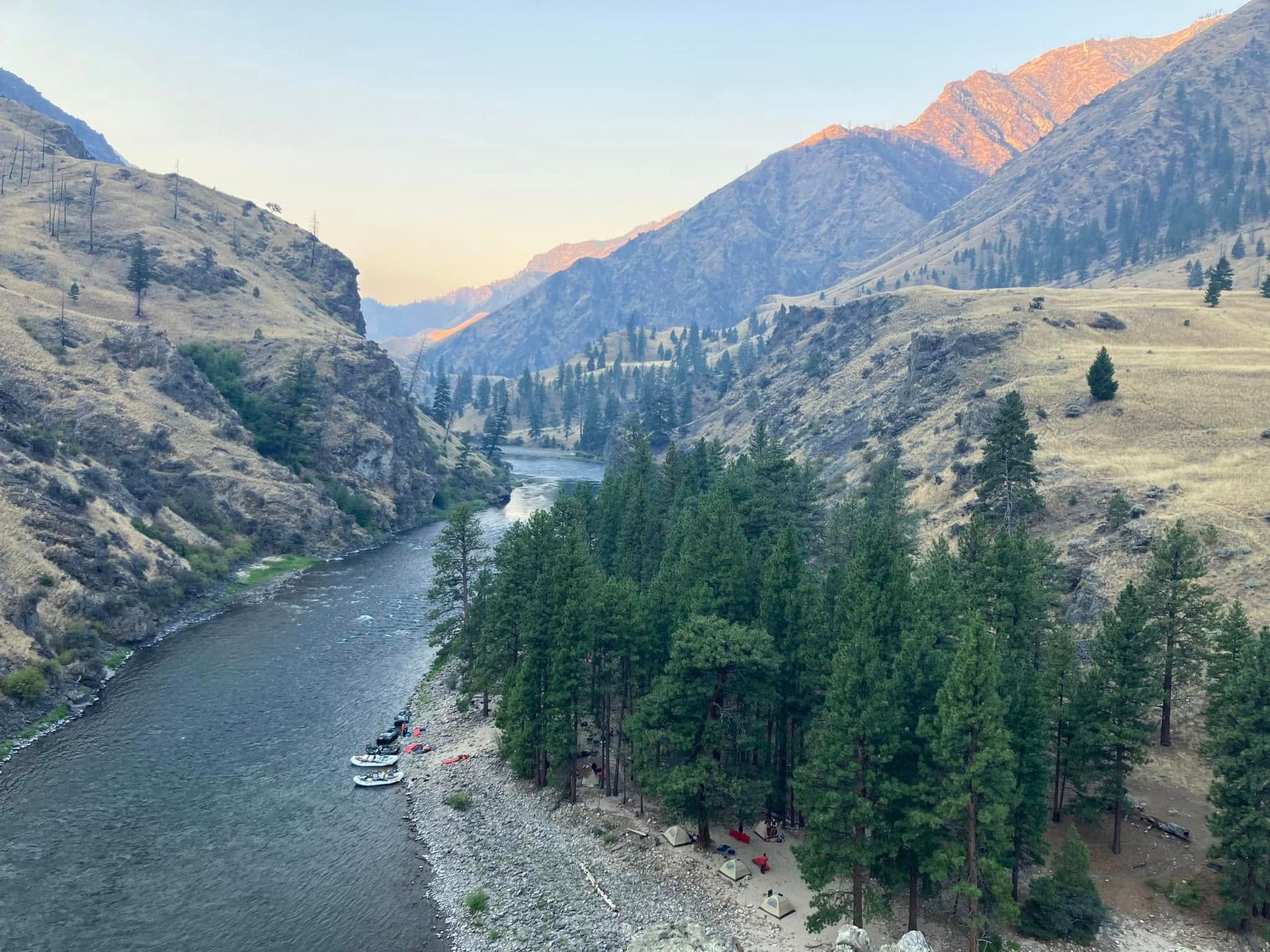
Packing for a Middle Fork of the Salmon River trip can feel like a lot at first, especially if it is your first multi-day rafting trip. You are preparing for whitewater, camp, sun, cold mornings, warm afternoons, and several days away from town. The key is to bring what you need without bringing too much.
A guided outfitter will typically handle the major river and camp systems, so guests can focus on personal gear, clothing, and comfort items. That makes packing simpler than it may seem. You do not need to bring everything you would bring on a self-supported backcountry trip. You need smart layers, useful essentials, and items that help you stay comfortable on the river and in camp.
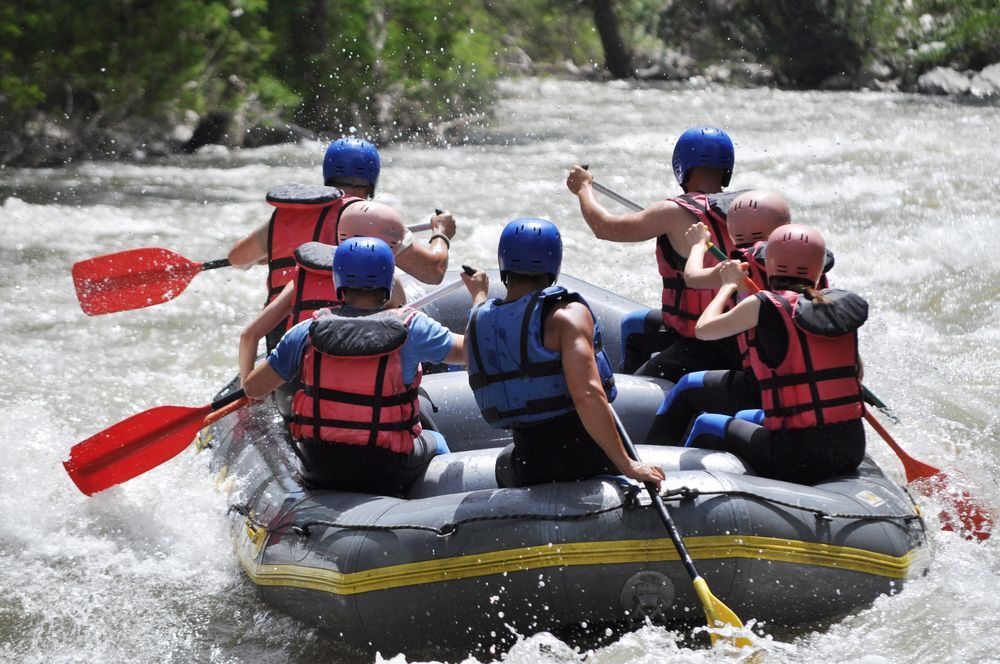
Start with clothing that works well around water. Quick-dry shirts, shorts, pants, and base layers are better than heavy cotton clothing that stays wet. River days often involve splashes, changing weather, and time in and out of boats. Clothing that dries quickly helps keep you more comfortable throughout the day.
Layers are important because Idaho river weather can shift. A warm morning layer, a rain jacket, and dry camp clothes can make a big difference. Even during warmer parts of the season, mornings and evenings can feel cool, especially when you are wet or the sun drops behind the canyon. It is better to have a practical warm layer and not need it than to be cold in camp.
Footwear matters too. Most guests bring shoes or sandals that can get wet for the river, plus a dry pair for camp. River footwear should stay secure on your feet and work for walking on uneven ground. Camp shoes should be comfortable after a full day on the water.
Sun protection is one of the most important parts of packing. A wide-brim hat or cap, sunglasses with a retainer strap, sunscreen, and lip balm can make the trip much more comfortable. The reflection off the water and long days outside can add up quickly, even when the weather does not feel extremely hot.
A small day bag is helpful for anything you want during the day. This may include sunscreen, rain gear, medication, a camera, sunglasses, a water bottle, and any small personal items you want nearby. Your larger bag will usually be packed away during the day, so think carefully about what you want easy access to on the boat.
For camp, focus on simple comfort. Dry clothes, a warm layer, toiletries, a headlamp, and any personal medications are good basics. You do not need to overpack entertainment. Many guests find that camp conversations, fishing, reading, exploring, or simply sitting by the river are enough.
It is also smart to leave unnecessary valuables behind. River trips involve water, sand, and movement. Bring what you need, but think carefully before packing anything fragile, expensive, or difficult to replace.
The best packing approach is simple. Bring items that dry quickly, layer well, protect you from the sun, keep you warm when needed, and make camp comfortable. Avoid packing extra clothing or gear that will never leave your bag.
Before your trip, review the outfitter’s packing list and ask questions if you are unsure. Guides know what guests actually use on the Middle Fork and what usually ends up being extra weight. With the right gear, you can spend less time worrying about what you packed and more time enjoying the river.