How Physically Demanding Is a Middle Fork Rafting Trip?
This is the question people ask us on the phone after they've already decided they want to come. Usually it's phrased carefully. "I'm sixty-two and I haven't camped in a while." "My knees aren't what they were." "Am I going to be the one holding everybody up?"
So here's a straight answer about how physically demanding a Middle Fork rafting trip is, without the brochure gloss. It's a real answer with real caveats, and the short version is that the hard parts are probably not the ones you're picturing.
What a day actually asks of you
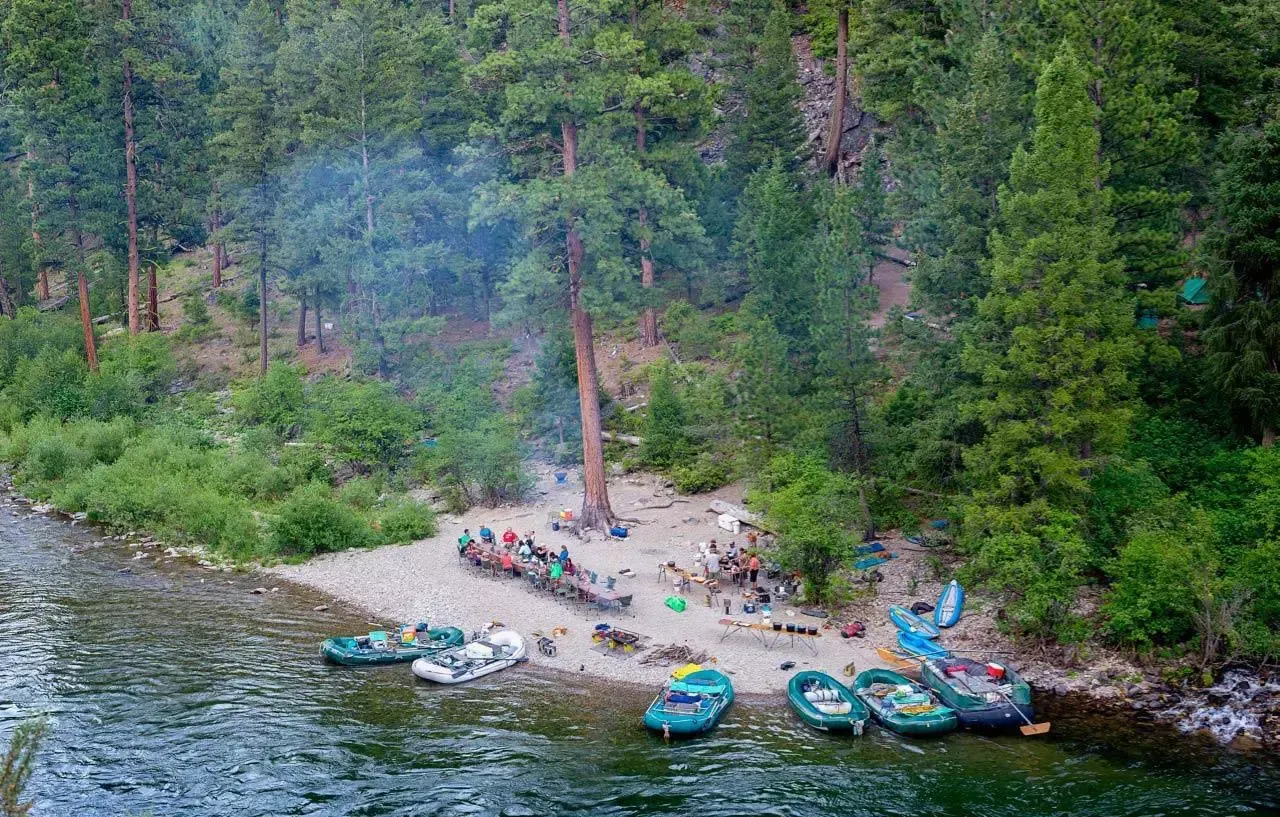
The rhythm is steady and it repeats. Our guides are up around 5:30 a.m. making coffee. Breakfast is around eight. We break camp and are back on the water by ten, stop somewhere good for lunch, and get into camp in the late afternoon, usually around 4:30.
Inside that day, the physical work looks like this:
- Sitting in a boat for several hours. Not in a chair. On a raft, on a tube or a seat, bracing a little, getting jostled.
- Getting in and out of boats, several times a day. This is the one people underestimate. It means stepping over a tube, onto wet rock or sand, with the boat moving a little under you.
- Walking on uneven riverbank. Cobble, sand, rock. Nothing paved, nothing level.
- Being wet and then being cold. Sometimes in the same afternoon.
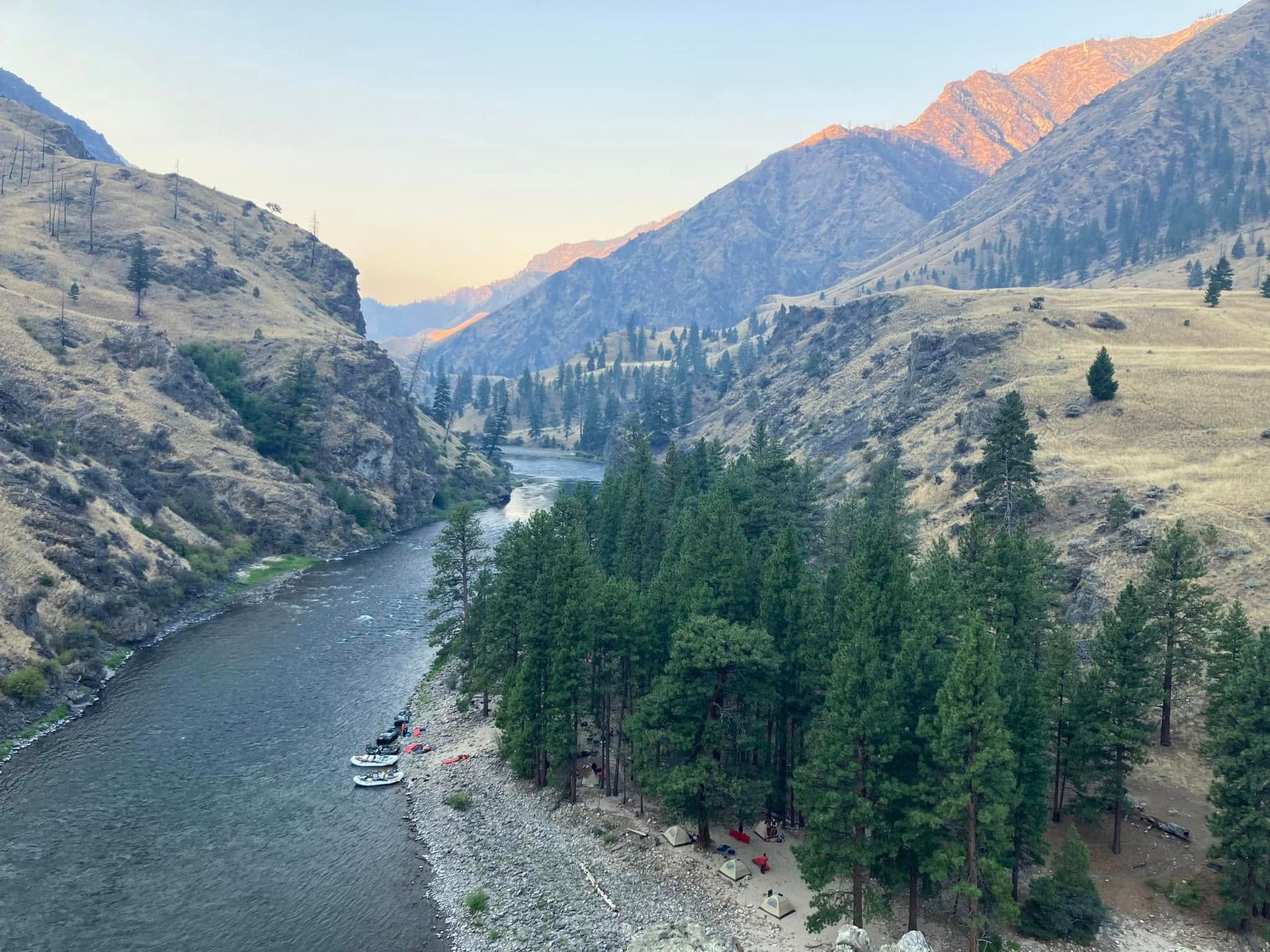
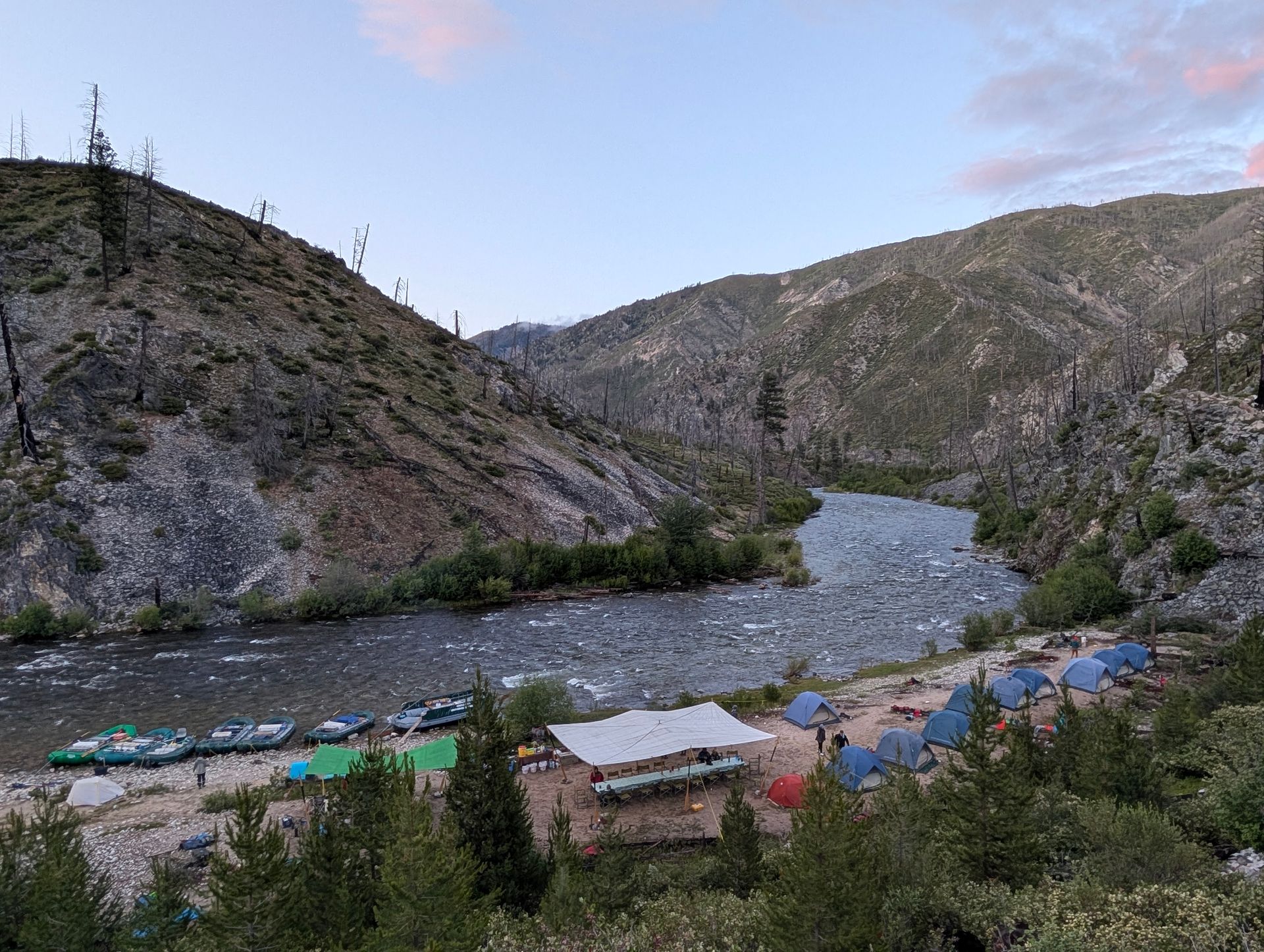
- Sleeping on the ground. On a cot with a self-inflating pad, in a tent, in a different camp every night.
Nothing on that list requires athleticism. All of it requires that you're comfortable moving your own body over uneven ground and getting up off the floor.
So how physically demanding is a Middle Fork rafting trip compared to what you're used to?
A useful comparison: it's less cardiovascular work than a day of hiking and more total-body wear than a week at a hotel. The tiredness is cumulative and it's the good kind. Sun, water, air, and the low-grade effort of balance.
The thing that wears people out isn't the rapids. It's six days of sun and wind and sleeping outside. By day three most guests are sleeping better than they have in months. By day five they've stopped checking what time it is.
You choose how hard you work
This is the part that changes the whole calculation, and a lot of people don't know it going in. You aren't locked into one seat for the trip. Depending on river conditions, each day you can choose:
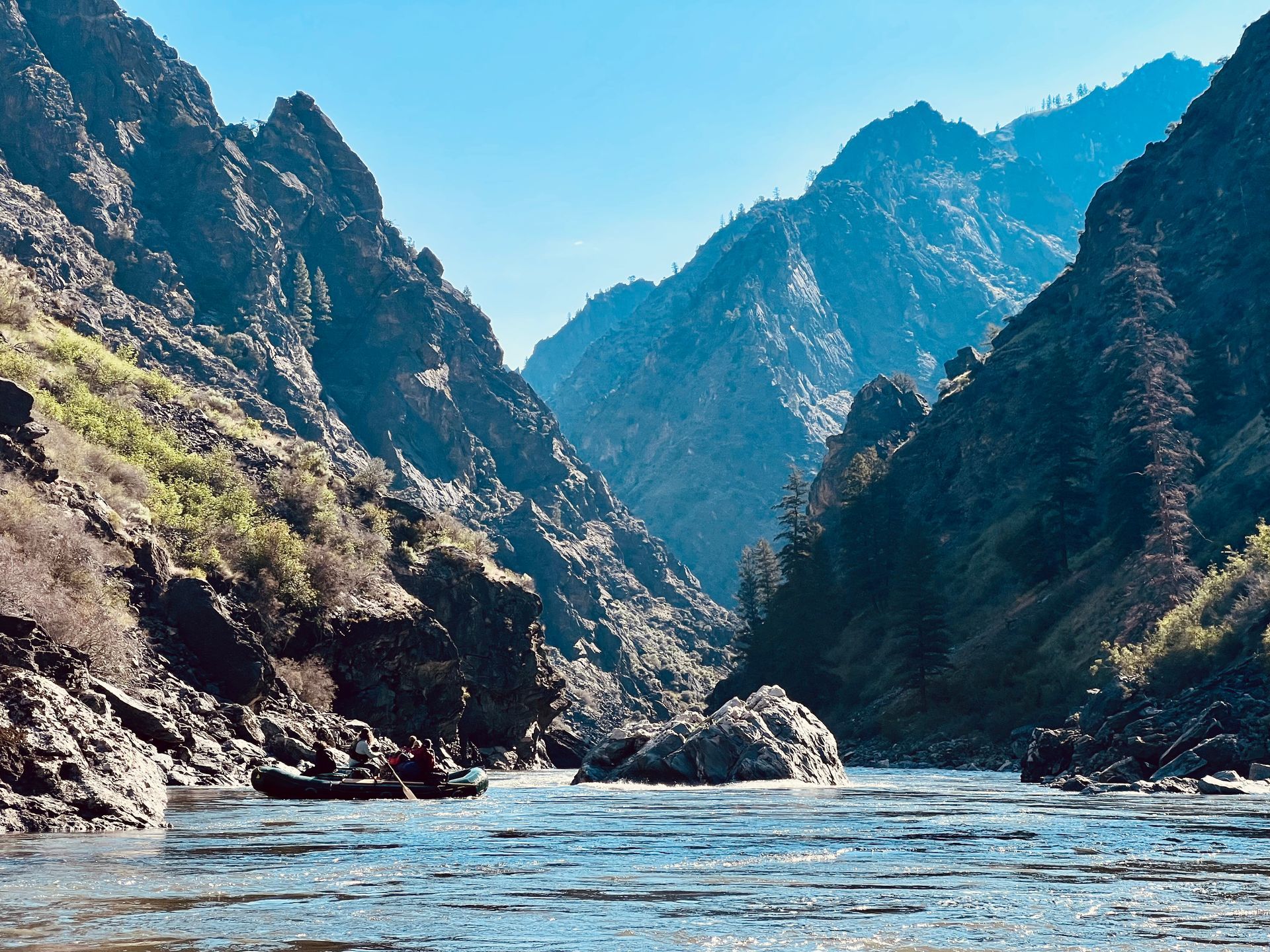
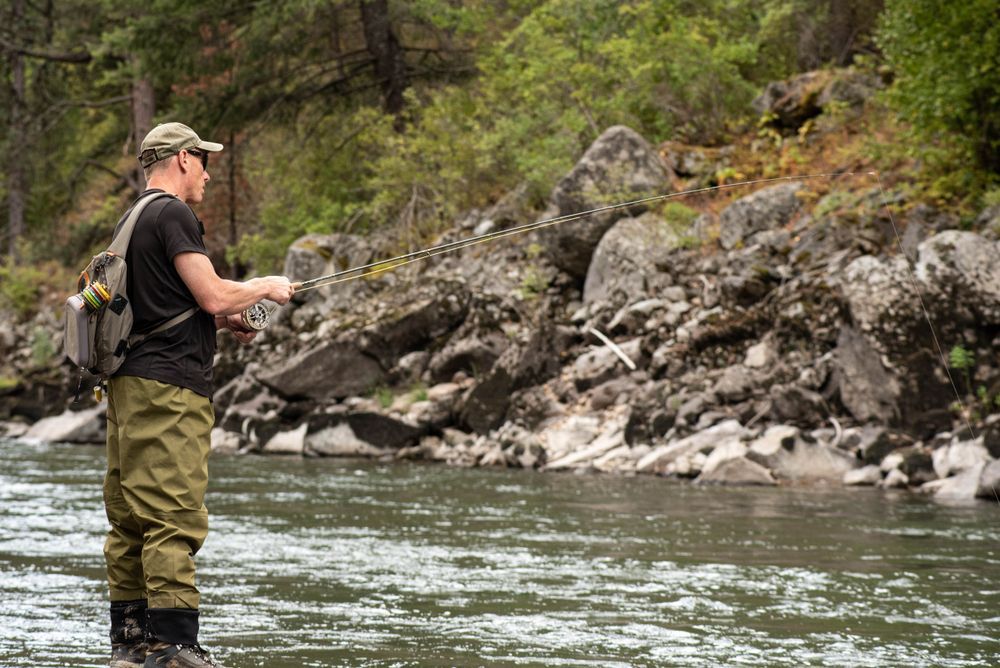
- An oar boat, where a guide rows and you ride. You can fish, take pictures, or do nothing at all. This is the least physically demanding way down the river, and there is no shame attached to it. Plenty of strong, capable people spend the whole trip in an oar boat because they'd rather look up at the canyon than at the next wave.
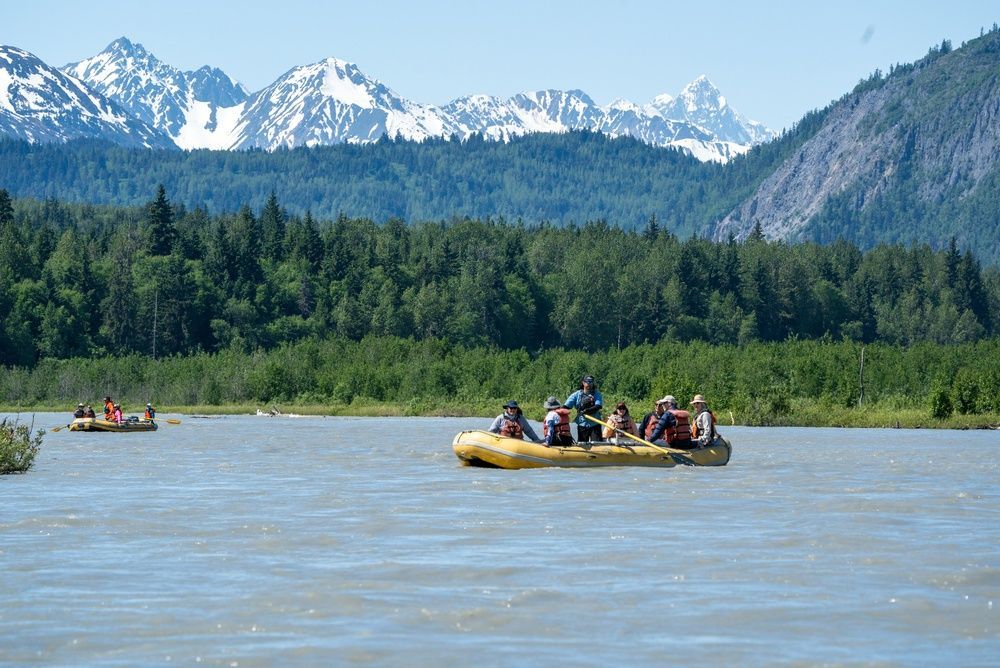
- A paddle raft, where you and the rest of the crew paddle and a guide calls from the stern. This is real work in the rapids, in bursts, with recovery in between.
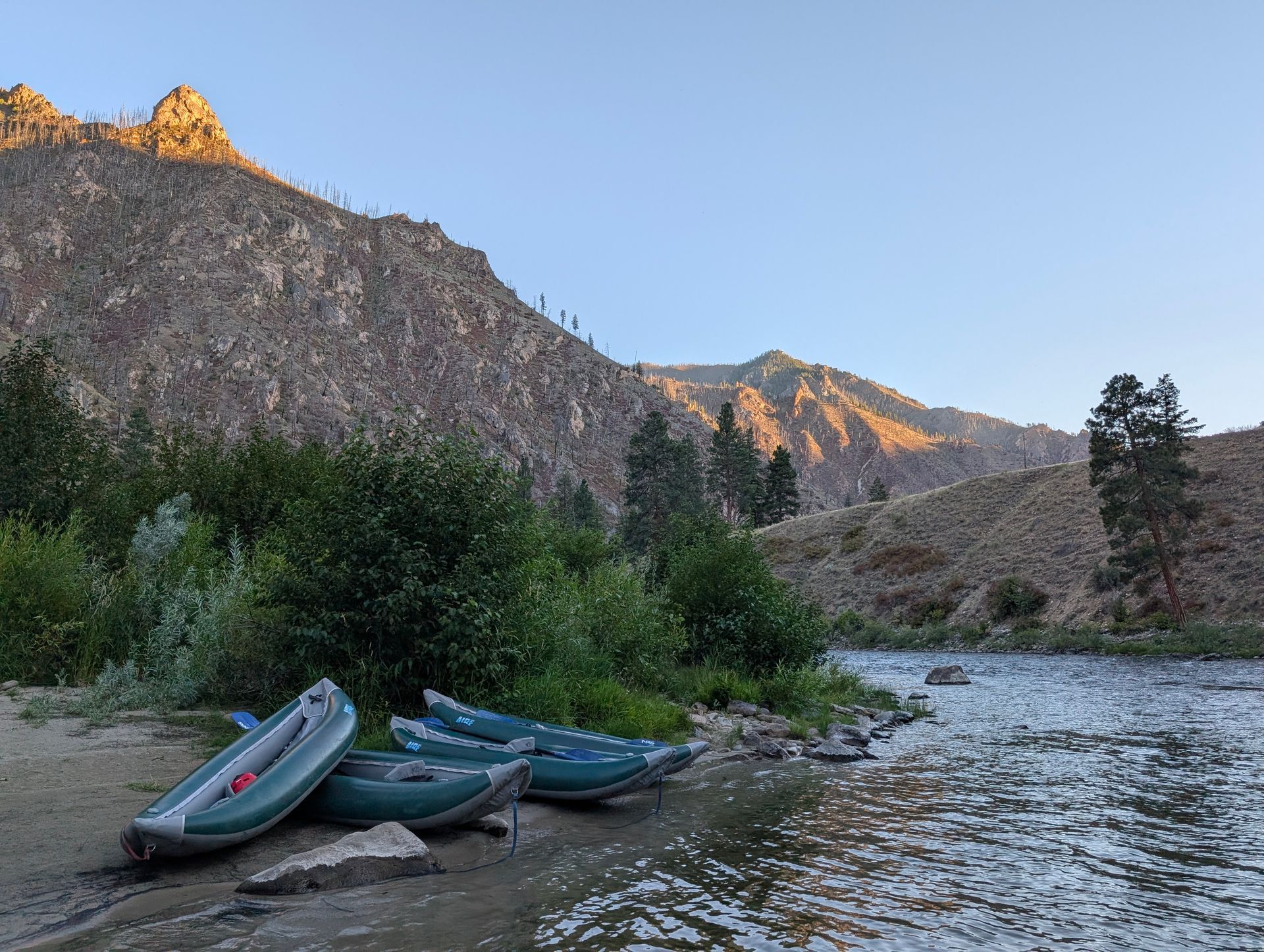
- An inflatable kayak, which is the most demanding option and the most engaging, since you're running the river yourself.
You can mix and match across the days. Paddle in the morning, ride in the afternoon. Take an inflatable kayak through a mellow stretch and get back in a raft. Our oar raft, paddle raft, or inflatable kayak post goes deeper on how those three feel different, and the whitewater rafting trips page lays out the options.
What we carry so you don't
People sometimes picture a backpacking trip on water. It isn't that. The boats carry everything, which is the whole reason a river trip is accessible to people who couldn't hike into a place like this.
We provide the tents, the cots, the self-inflating pads, and freshly laundered sleeping bags with a clean sheet and pillow. Dining tables and chairs. All the food and unlimited drinking water. A gear boat runs ahead each morning so that camp is set and appetizers are out by the time you land.
You carry a small day bag. That's it. See the equipment and packing page for the full list of what's provided and what to bring.
The side hikes are optional
A trail runs alongside the river, so there's a walking option most days, and some of the best parts of the trip are up off the water. Hikes to scenic and historic spots, and hot spring soaks.
All of it is optional. If a hike doesn't suit you on a given day, you stay by the boats with a book and the river, and you have not missed the trip. Bring a small daypack if you plan to walk.
What this trip asks of you
Here's the honest list. None of this is meant to talk you out of it. It's meant so that what shows up matches what you signed up for.
- You'll get in and out of boats on uneven, wet footing, multiple times a day, for the length of the trip.
- You'll sleep on the ground in a tent, in a new camp every night, and there's no shower in the way you mean it. Solar showers are available if you ask.
- The water is cold. That stays true in midsummer, and cold water is a serious thing, not an inconvenience.
- Sun exposure is significant. Daytime temperatures can reach 80°F, and there's little shade on the water.
- Nights get cold. Overnight lows can sit between 45 and 50°F.
- It rains, and mountain weather turns fast. Good rain gear is not optional. Our water and weather page covers the seasonal picture.
- Once we launch, there's no road access along most of the canyon and no cell service.
- Rafting whitewater in remote wilderness carries real risk. Our guides are trained in CPR and First Aid and certified in Swift Water Rescue, and they'll brief you thoroughly before we push off. That's a practice, not a promise.
The conversation to have before you book
We can't tell you whether this trip is right for your body, and we won't pretend otherwise. What we can do is describe the trip in more detail than any web page allows, and then you and your doctor can make the call.
If you have a health condition, a mobility question, a recent surgery, or anything you're weighing, call us before you book. Not after. We've had this conversation hundreds of times and we're not going to talk you into something that won't work. Reach us at (208) 221-7935 or mfwo@idahorapids.com.
And if you've read all of that and you're more interested than you were four minutes ago, that's a good sign. Take a look at dates and rates and see what's open.