What First-Time Rafters Should Know Before a Middle Fork Trip
You do not have to be an experienced river runner to enjoy a guided Middle Fork of the Salmon River trip. Many guests come to the river with little or no multi-day rafting experience. Some have only done a short day trip before. Others have never been on whitewater at all. What matters most is showing up prepared, listening to your guides, and being willing to step into the rhythm of river life.
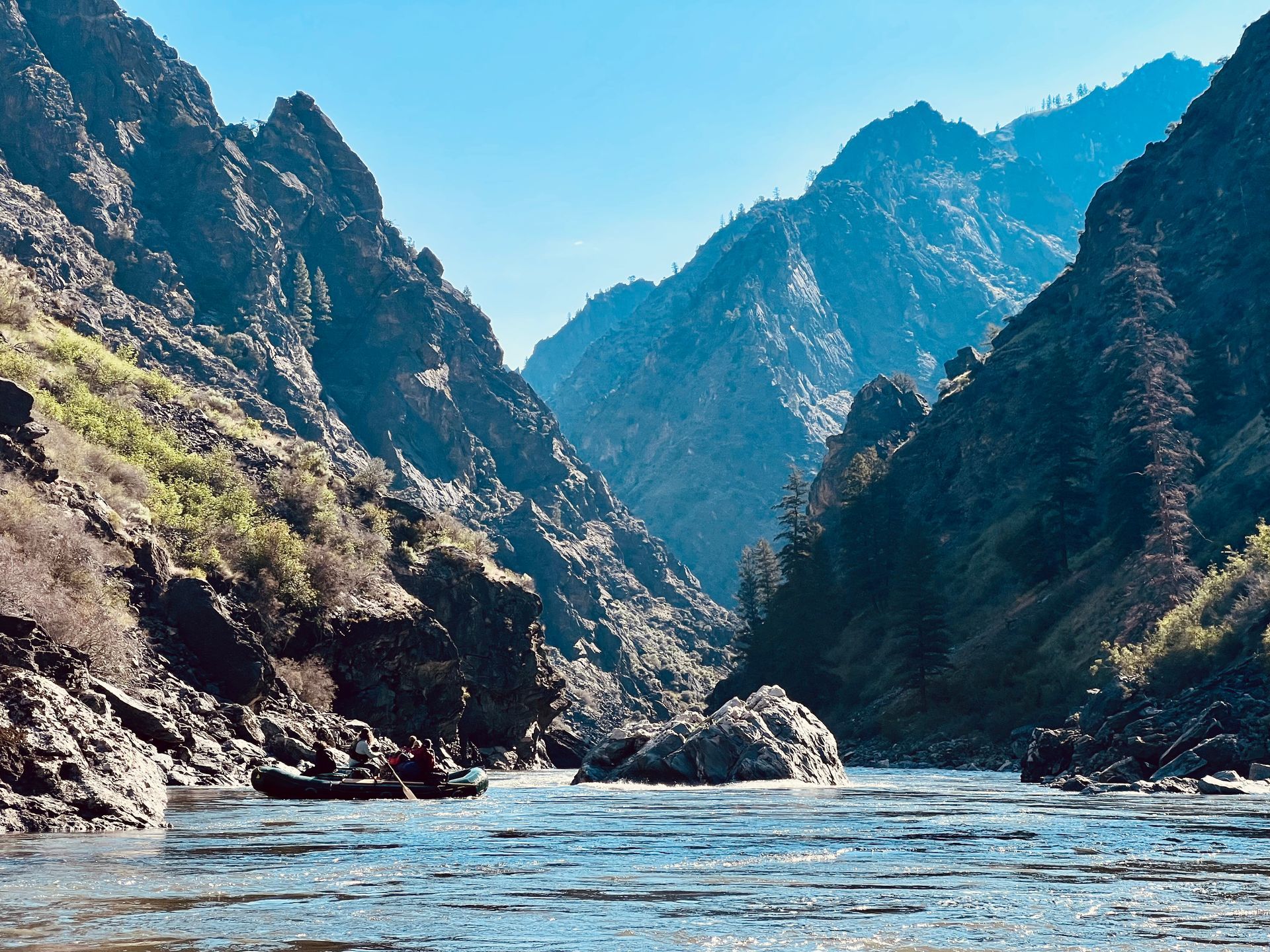
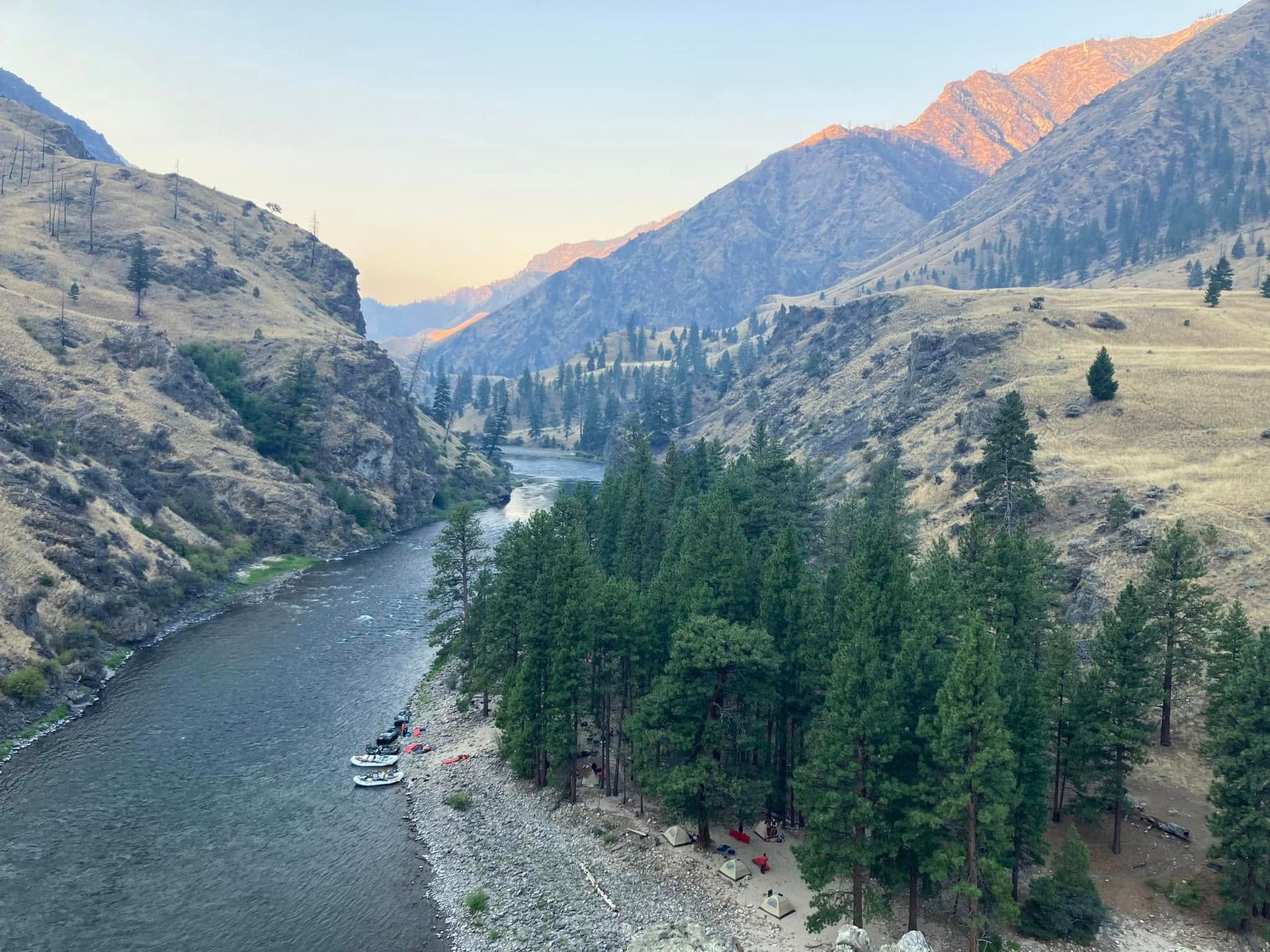
The first thing to understand is that the Middle Fork is a wilderness river. That is part of what makes it special. You are not floating past roads, restaurants, and busy access points all day. You are traveling through remote country where the river, the weather, and the canyon help shape the experience. That can feel different at first, but it is also what makes the trip so memorable.
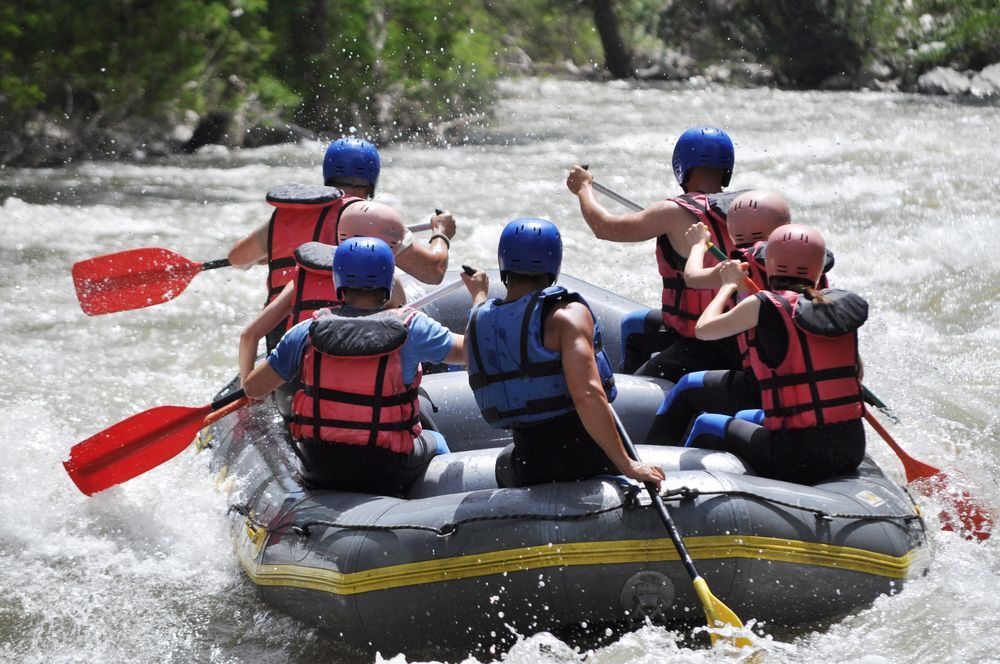
Guides play a major role in helping first-time guests feel comfortable. Before and during the trip, they explain what to expect, how to sit in the boat, how to paddle if you are in a paddle raft, how to listen for commands, and what to do around camp. You do not need to know everything before you arrive. You just need to pay attention and follow instructions.
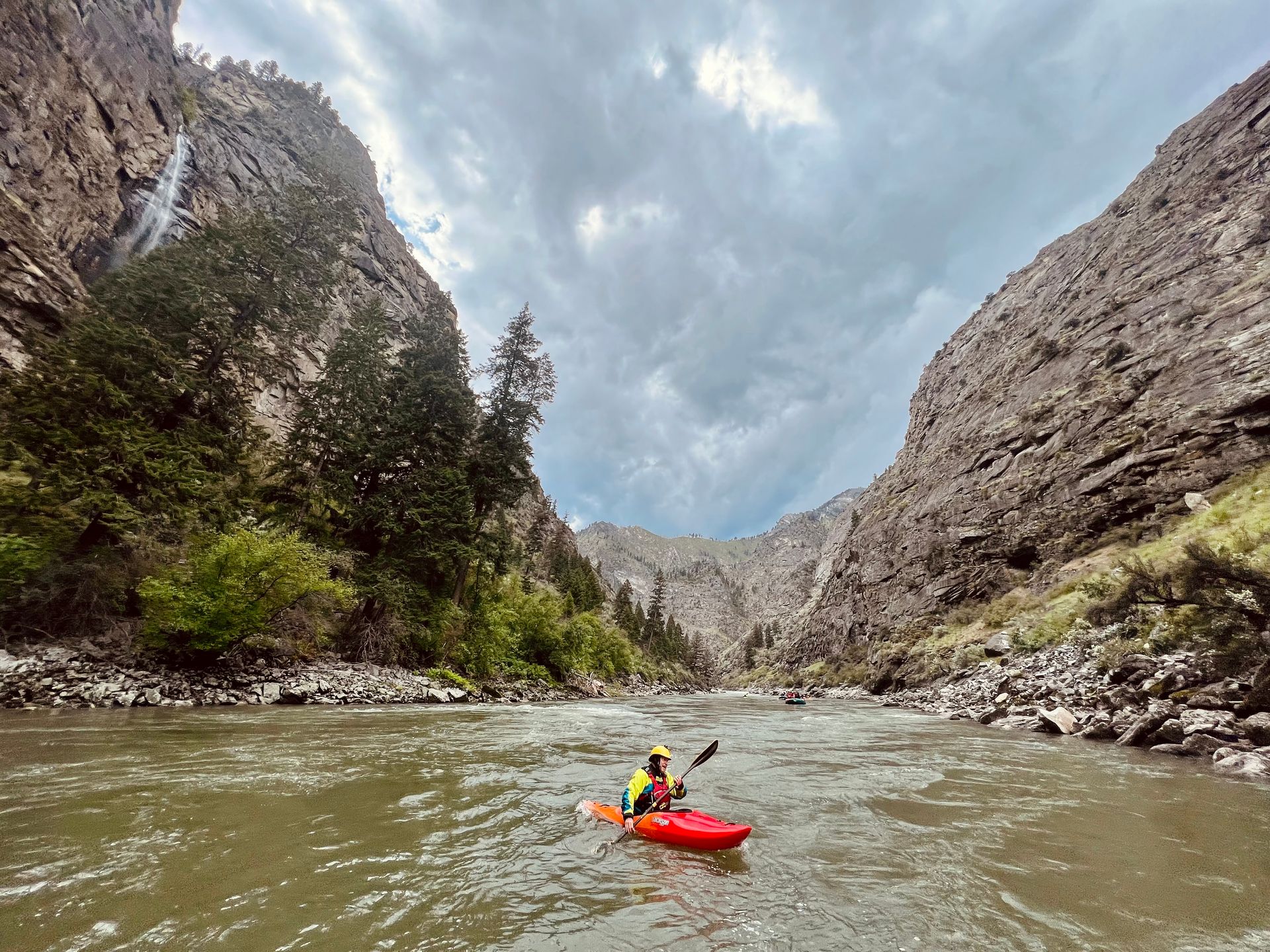
Guests should expect to get wet. That is part of rafting. Some days may bring splashy whitewater, while other stretches may feel calmer and more scenic. Water levels, weather, and river conditions all affect the feel of the trip. A good mindset is to be ready for variety. The river will not feel the same every day, and that is part of the fun.
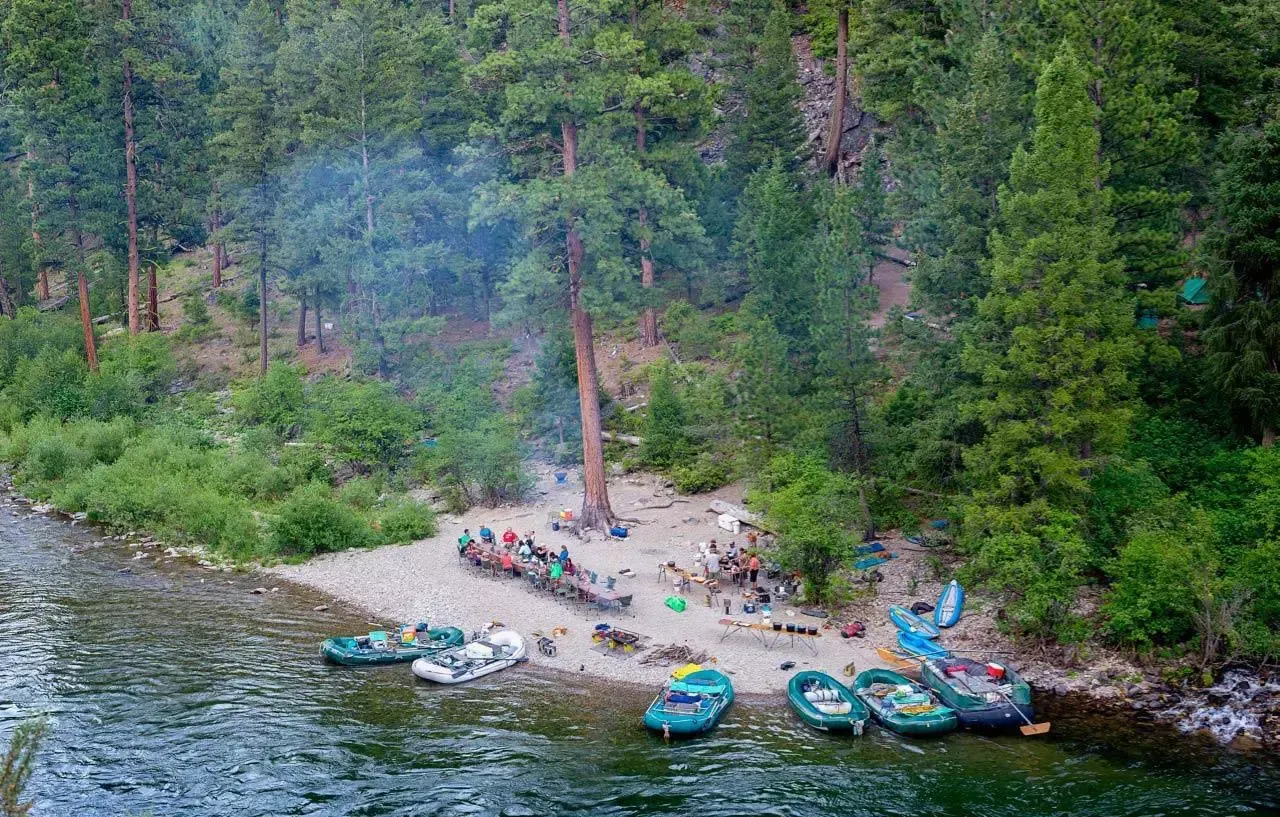
First-time rafters should also know that camp is simple, but comfortable when you pack correctly. After a day on the water, dry clothes, good footwear, and a warm layer can make the evening feel great. You do not need to bring too much, but you do need to bring the right things. Following the outfitter’s packing list is one of the best ways to prepare.
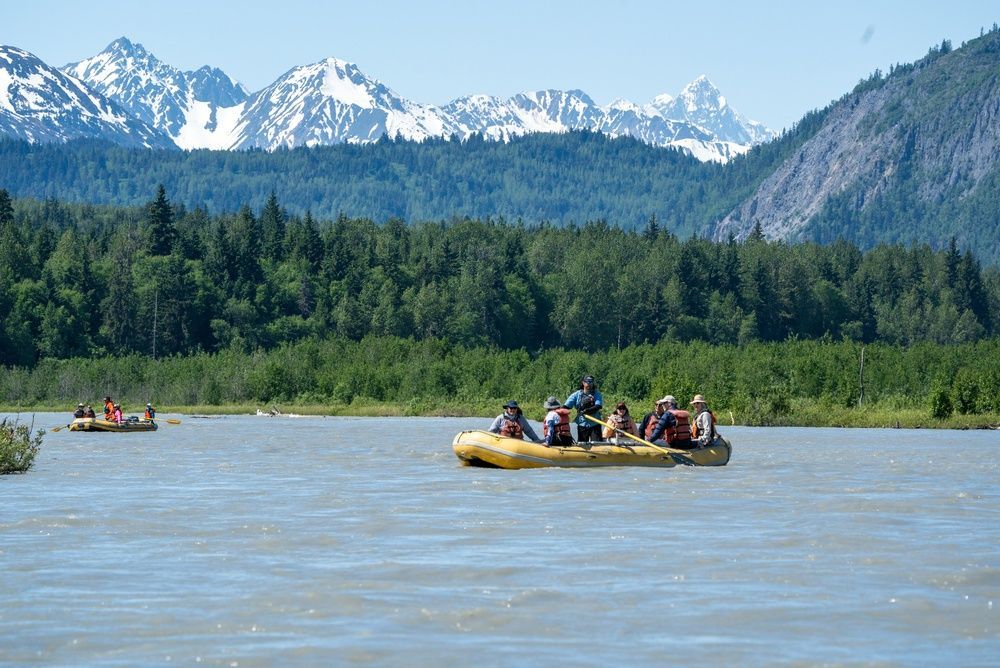
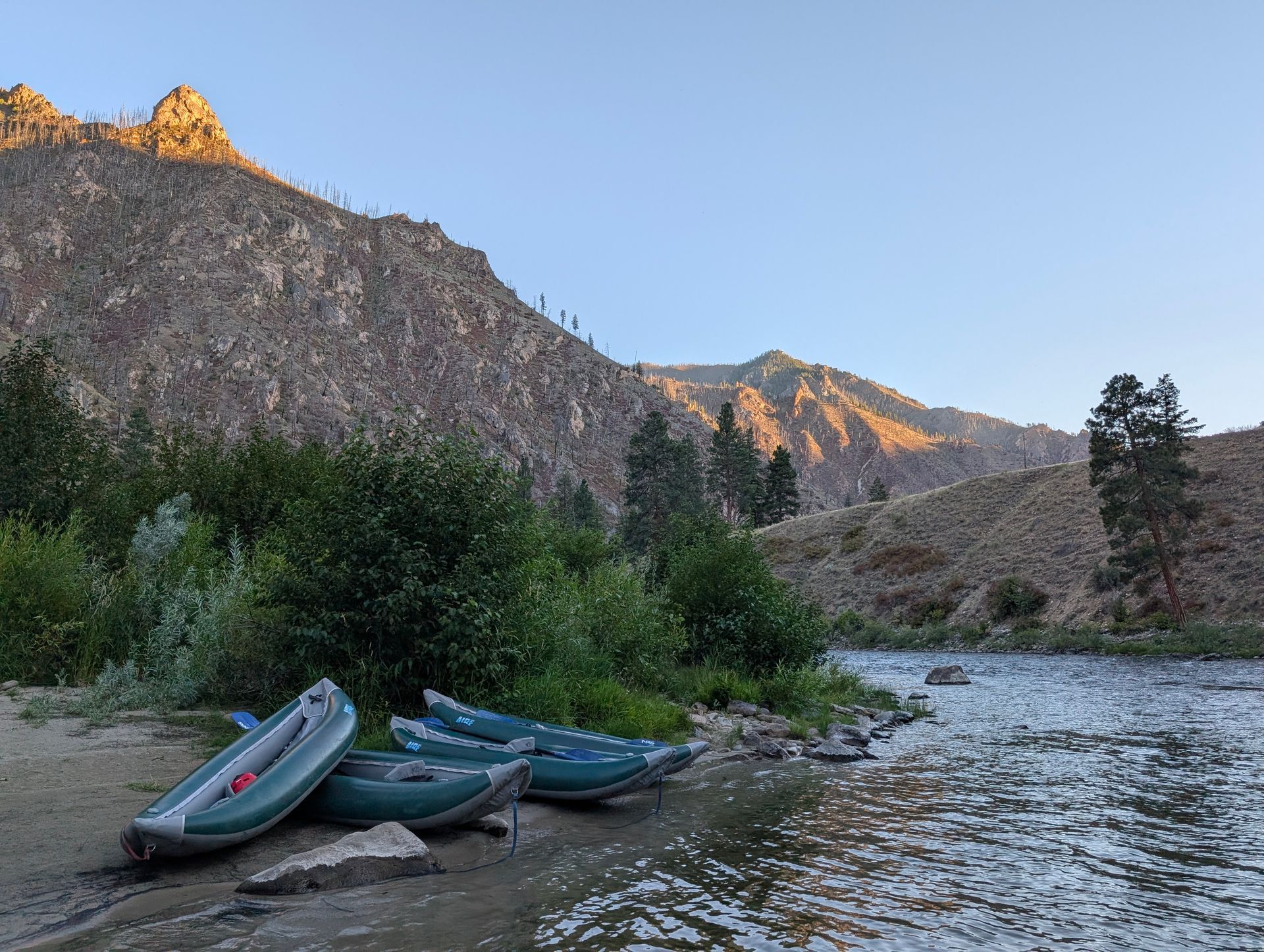
It also helps to understand that a river trip is active, but it does not have to feel overwhelming. Guests may ride in an oar raft, paddle with a team, or try different boat options when conditions and comfort levels allow. If you are nervous, say so. Guides would rather know how you are feeling so they can help you choose the best way to experience the day.
The pace of the trip often surprises first-time guests. At first, everything may feel new. Packing dry bags, loading boats, getting used to river shoes, and learning camp routines can take a little adjustment. After a day or two, most people settle in. The routine starts to feel natural. Wake up, eat breakfast, get on the river, run rapids, enjoy the scenery, arrive at camp, eat dinner, sleep under the stars, and do it again.
Being away from cell service can also be an adjustment. For many guests, it becomes one of the best parts of the trip. Without the constant pull of notifications, people tend to notice more, talk more, and relax into the experience.
A first Middle Fork trip does not require expert skills. It requires curiosity, a good attitude, practical gear, and trust in the guides. Once you are on the river, the experience starts to make sense quickly. The whitewater, canyon, camp, meals, fishing, and quiet moments all come together into something that feels much bigger than a simple rafting vacation.