Bringing Your Own Boat: How a Middle Fork Support Trip Works
There's a particular kind of frustration in being a capable boater with no way onto the water you most want to run. You have the skills and the boat. What you don't have is a launch, or the four weeks of logistics that a self-supported trip through a wilderness canyon actually takes.
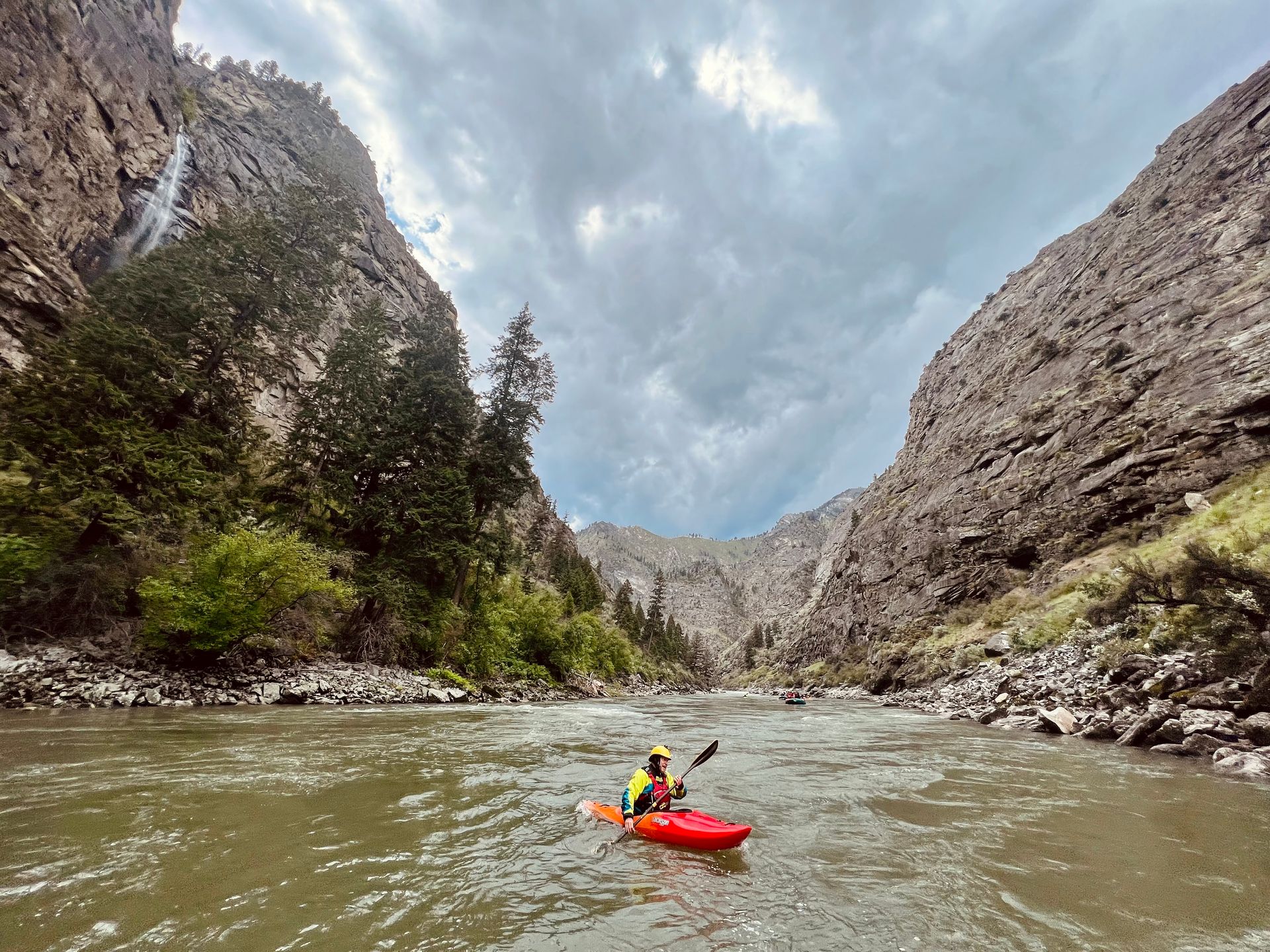
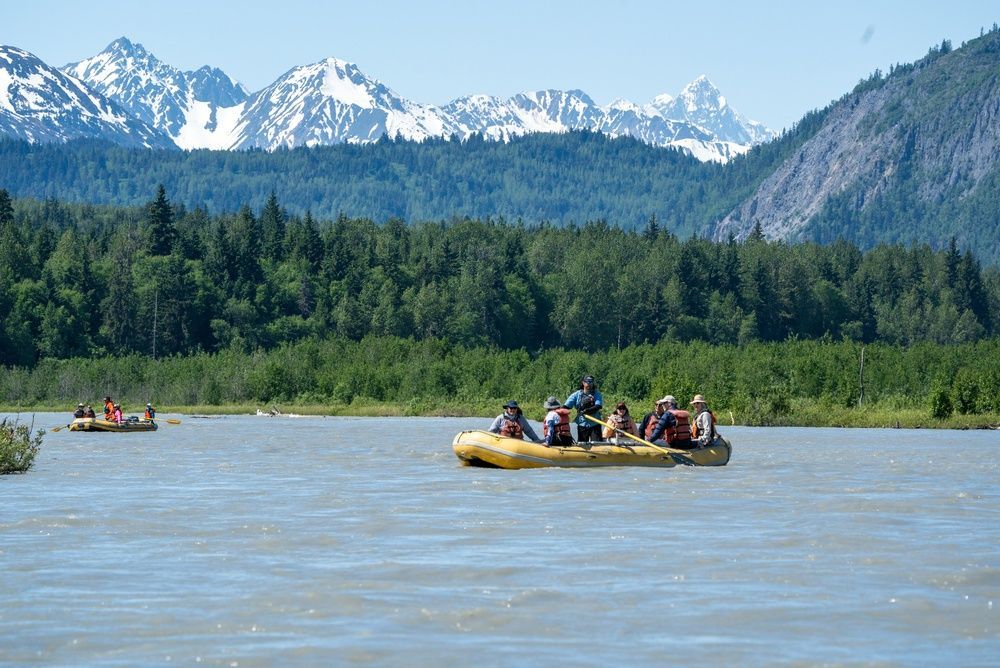
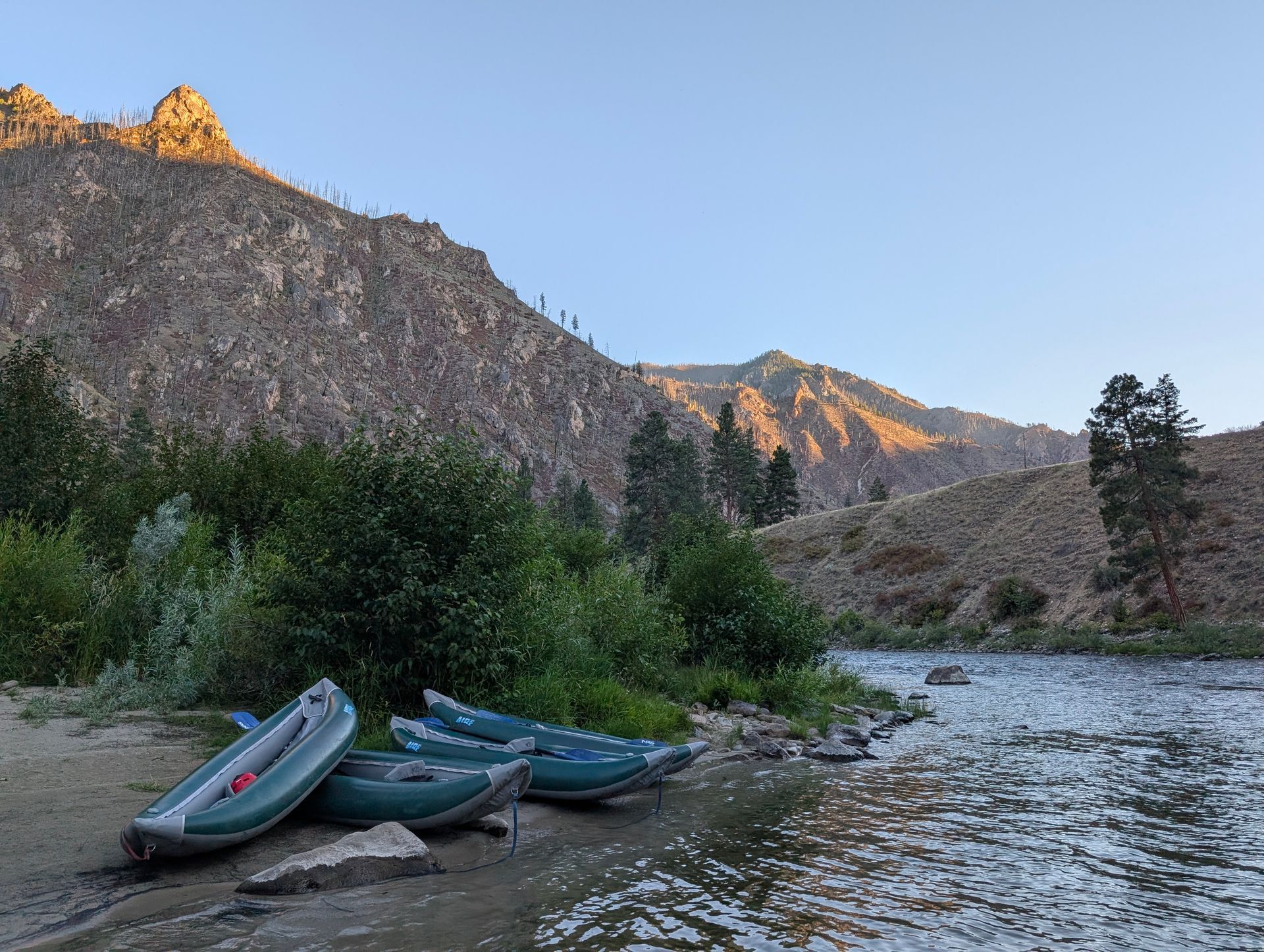
A Middle Fork support trip is one answer to that. You bring your own boat and paddle your own line. We carry the gear, cook the meals, set the camps, and handle the logistics and shuttles.
What a support trip is, specifically
It's a trip where the paddling is yours and everything else isn't.
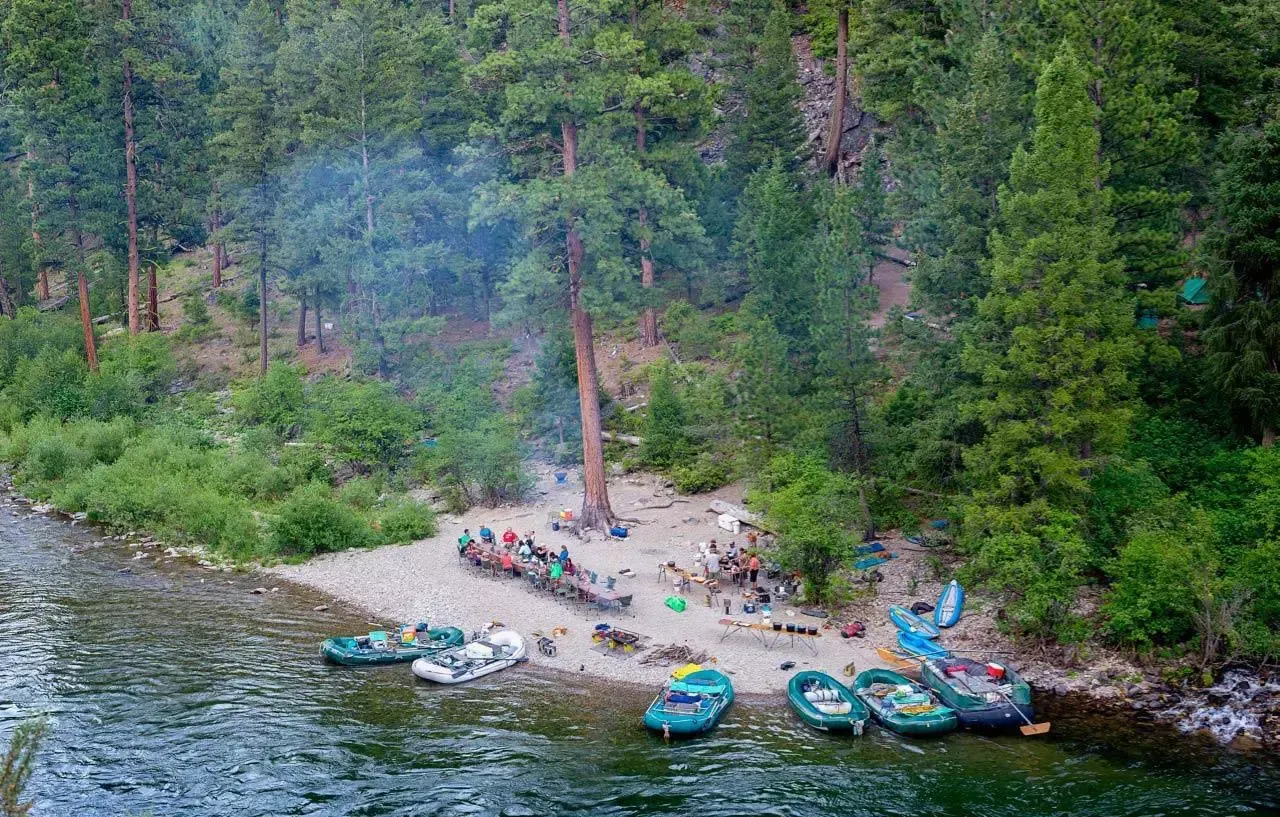
You're on the river in your own craft, running the river under your own power and your own judgment. Meanwhile the same operation that runs our commercial trips runs alongside you. A gear boat goes ahead each morning. Camp is standing when you arrive. Dinner comes out of dutch ovens.
The practical effect is that you get to spend a week thinking about nothing but water. No rigging your own load, no rationing food, no doing dishes in the dark, no strapping a groover to a frame. If you've done a self-supported trip, you know exactly how much of the day that consumes.
It appears on our whitewater rafting trips page and as one of the options on custom and charter trips, alongside the other ways we build trips around what a group actually wants.
Who this suits
In our experience it's usually one of three groups.
- Kayakers who want the Middle Fork without towing a raft, a kitchen, and a groover behind them.
- Private oarsmen and women who want to row this canyon but would rather not run the whole expedition themselves, especially with people they'd like to still be friends with at the takeout.
- Mixed groups where two or three people want to paddle their own boats and the rest want to be on a raft with a guide and a cold drink. This is more common than you'd expect, and it's the situation a support trip solves best.
That last case is worth calling out for whoever's organizing. You don't have to split the group across two different trips to accommodate the one person who insists on their own boat.
What we handle and what stays yours
Draw this line clearly before you commit, because the value of the trip lives in exactly where it falls.
What we handle: logistics, shuttles, all meals and drinking water, camp gear and camp setup, and the tents, cots, pads, and laundered sleeping bags. Dining tables and chairs. Every guide on the trip is trained in CPR and First Aid and certified in Swift Water Rescue.
What stays yours: your boat, your paddling gear, and the decisions you make on the water. That last part is not a formality. You are running a wilderness river in your own craft, and nobody is running it for you.
What we need to talk about: everything in between. What we can carry and what you'll keep with you. What you're bringing and what condition it's in. How the group moves through the day. These are short conversations that prevent long problems, and they need to happen well before launch day.
The honest conversation about the river
We'd be doing you a disservice if this section were shorter.
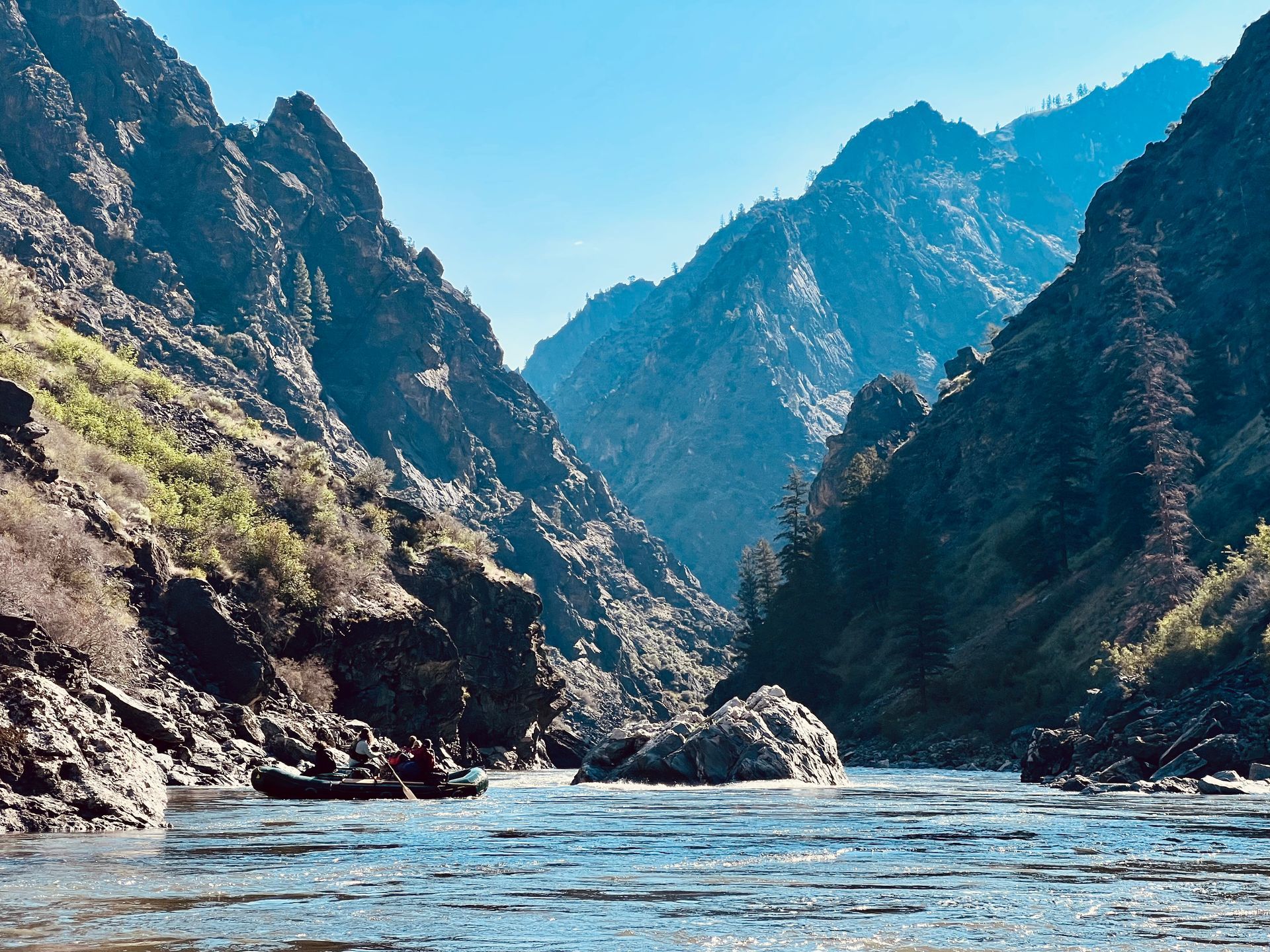
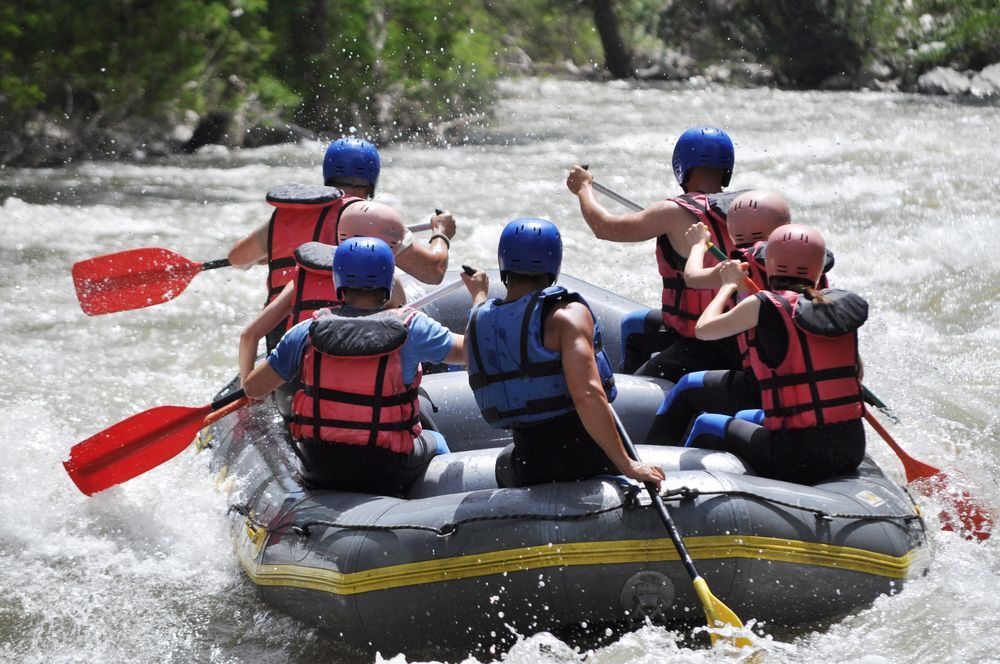
The Middle Fork runs 100 miles from Boundary Creek to Cache Bar with more than 100 rapids in it, through a wilderness canyon with no road access along most of the corridor and no cell service anywhere. The character of the water changes substantially through the season. Early June is peak snowmelt and big continuous water. By July and August the river drops and gets clearer and more technical, and the low-water end of the season also changes where we launch. Our water and weather page lays out how the season progresses.
What that means for a private boater is that the river you scouted on video is not necessarily the river you'll get. Flows shift year to year and week to week, and we will tell you plainly what we're seeing rather than what you want to hear.
The water is cold, including in midsummer. Weather turns fast. Whitewater in remote wilderness carries real risk, and no outfitter can remove it. We're not going to teach you to boat here or on the river, and if what you're looking for is instruction rather than support, say so on the phone and we'll point you at the right version of a trip.
Permits, and why we're not going to explain them here
The Middle Fork is a permitted river inside designated wilderness. The rules, the application windows, and the fees are administered by the Forest Service and they change.
So: for private launch permits, go to Recreation.gov and to the Salmon-Challis National Forest. They're the authority and we're not.
For how launch authorization works on a support trip specifically, call us. That's a real conversation with a real answer, and it depends on how the trip is structured. It's also the first thing to sort out, because it can shape your date options. Don't book flights before you've had it.
What the days look like from your boat
The shape of the day is the same one our commercial guests get, which is most of the appeal.
- Coffee is on early. Breakfast around eight.
- Camp breaks down and everyone is on the water by ten.
- The gear boat runs ahead. You paddle.
- There's a real lunch stop somewhere worth stopping.
- You land in camp in the late afternoon, around 4:30, and camp is already set.
- Appetizers are out. Dinner comes off the coals. Somebody probably has an instrument.
You'll finish each day tired in the way you came to be tired, rather than tired from logistics.
Where to start
Start with a phone call, earlier than feels necessary. We run 11 trips a season and the dates go to whoever asks first, and a support trip has more moving parts than a standard booking.
Tell us who's coming, what you're paddling, what you've run before, and what you want the week to be. If you're building something for a mixed group, why custom and charter river trips work so well for groups covers the broader charter picture.
Reach us at (208) 221-7935 or mfwo@idahorapids.com, and take a look at what's open on dates and rates while you're at it. Bring the boat. We'll bring the rest.