Fly Fishing From a Raft: How a Float Trip Differs From Wading
If you fish wade-in water at home, you know the rhythm. You read a run, pick your spot, work it, and move on when you're ready. A fly fishing float trip on the Middle Fork of the Salmon changes that rhythm, and it helps to know how before you book.
The water comes to you instead of the other way around. Your feet stay dry most of the day. And somebody else decides where the boat goes next, which takes some getting used to if you've always fished alone.
How a Fly Fishing Float Trip Actually Works
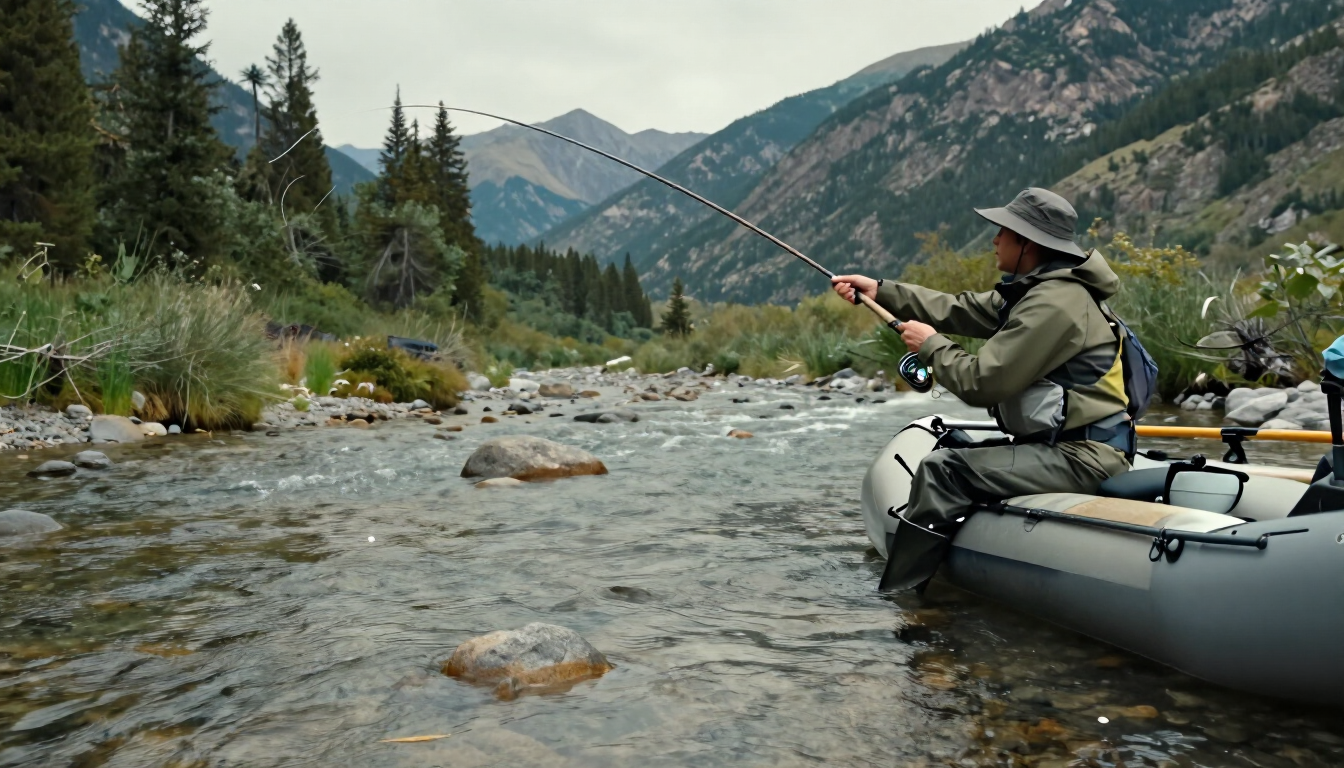
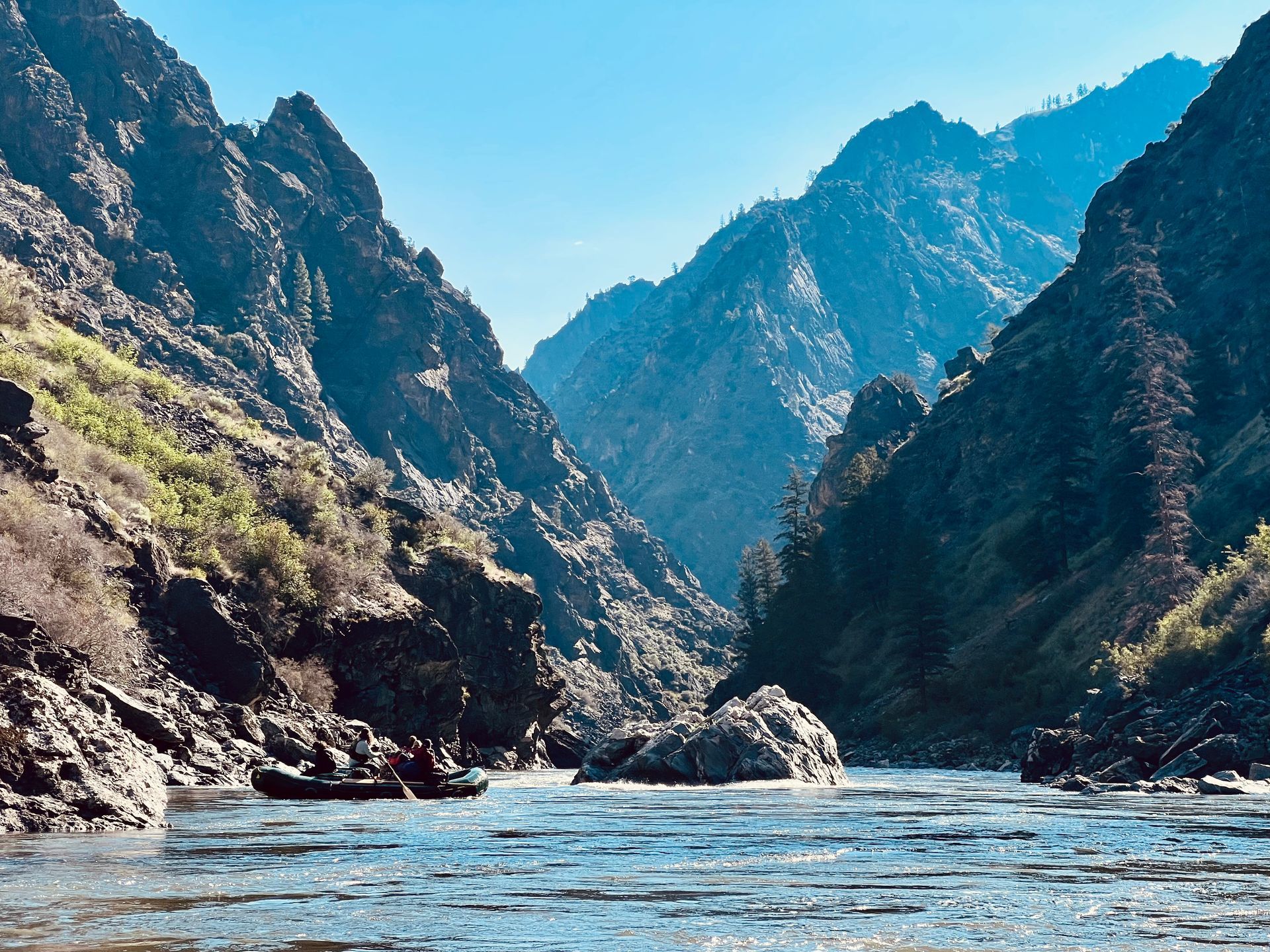
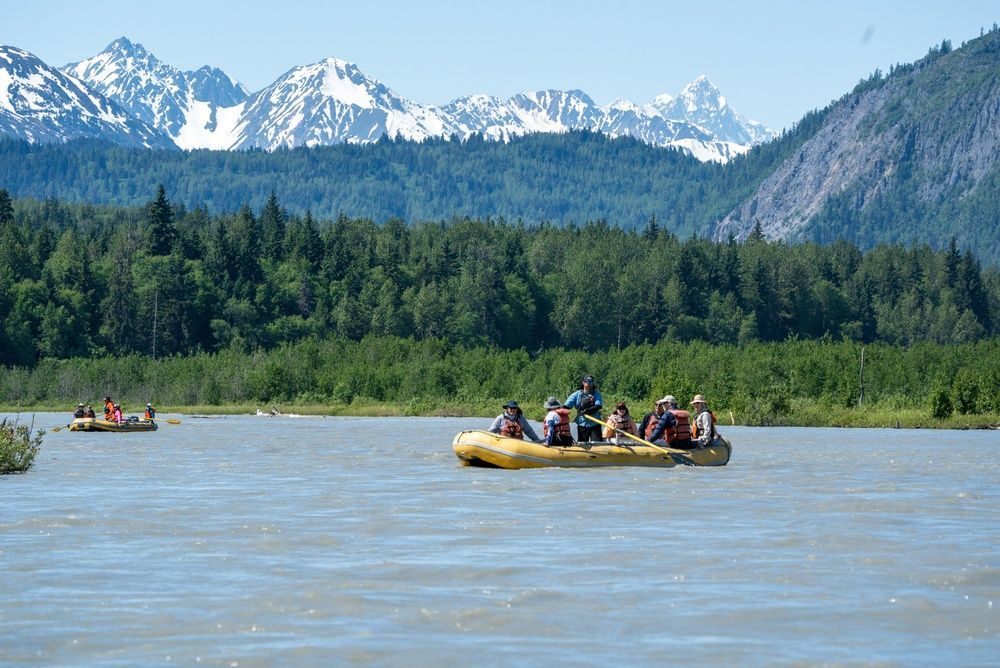
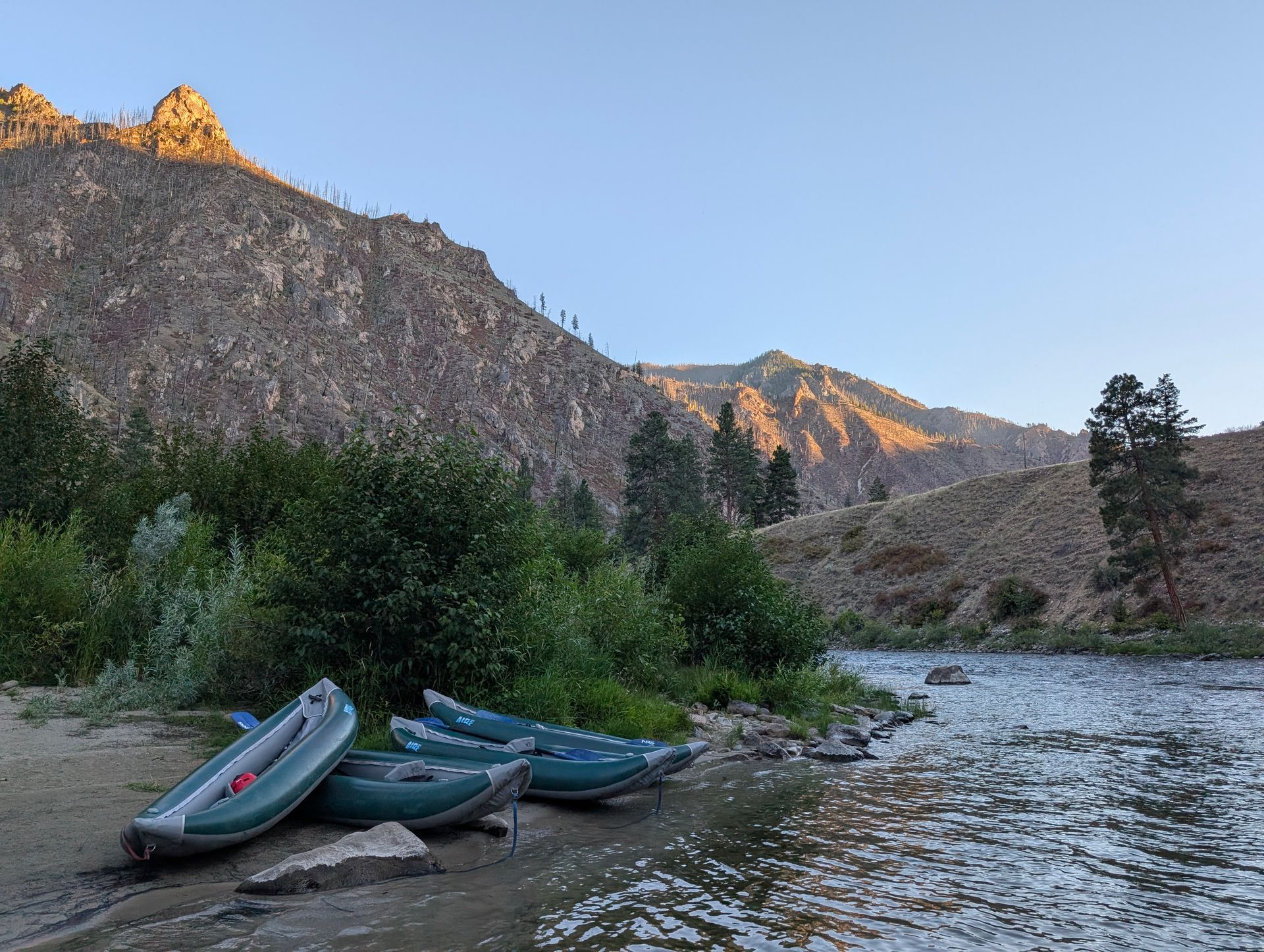
On our fly fishing trips, anglers fish from custom fishing rafts set up for two. One angler sits in the front, one in the back, and a guide rows from the middle. The guide's job is to hold the boat at the right angle and speed so both of you get good drifts through the water worth fishing.
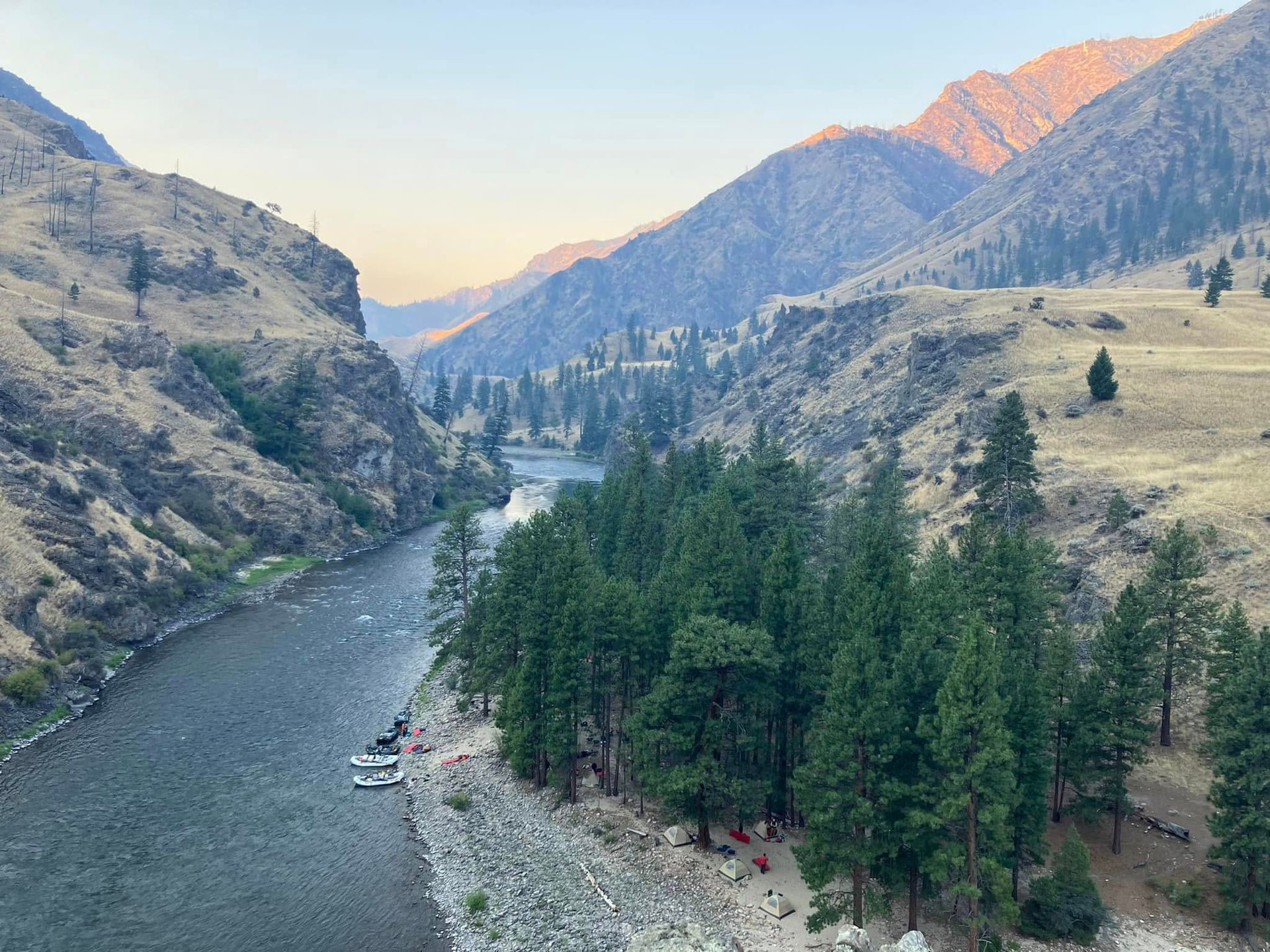
While you fish, the gear boats run ahead to set up camp. Your fishing boat isn't racing anyone downstream. It can take its time through good water instead of covering miles as fast as possible.
The fish you're after are native Westslope cutthroat trout, which average 12 to 15 inches. They're known for being willing to eat a dry fly, and that makes the Middle Fork a forgiving place to learn to fish from a moving boat.
Fly Fishing Float Trip vs. Wading: Side by Side
| Wading your home water | Fishing from a raft on the Middle Fork | |
|---|---|---|
| Covering water | You walk to it, one run at a time | The boat carries you through miles of water each day |
| Who picks the spot | You do | Your guide positions the boat; you pick the target |
| Casting | Fewer, longer casts from a fixed stance | More frequent, shorter casts as targets come into range |
| Your feet | In the water, on rocks | In the boat, then on gravel bars at stops and camp |
| Pace of the day | Entirely yours | Set by the river and the day's miles, with stops for lunch |
| Who's beside you | Often nobody | A fishing partner and a guide in the same boat |
The biggest shift isn't casting. It's letting the guide run the boat so you can put all your attention on the next fish.
What Changes in Your Casting
Most anglers who wade a lot adjust to the casting quickly. Timing is what takes a day. A seam behind a boulder is in range for a few seconds, and then it's behind you.
You'll make more casts in a day than you would wading, and many of them will be short. Accuracy counts for more than distance. Your guide will call out water and help you read it as it comes, which is a big reason newer anglers do well here too.
With two anglers in one boat, you also share casting room. The front and back anglers work different angles so lines stay apart. Your guide will set the pattern on the first morning, and by lunch it's routine.
You'll Still Get Your Feet Wet
A float trip doesn't mean you never wade. The day includes stops along the river, and you'll usually reach camp between 4 and 6 p.m. That leaves daylight, and some of the most relaxed fishing of the trip can happen within sight of the tents.
Ask your guide what's worth fishing near camp. Then pour something cold and work a run on foot while dinner comes together behind you.
Three Ways to Fish a Middle Fork Trip
- From an oar boat on a standard rafting trip. A guide rows, and you cast when the water allows. This suits someone who wants to fish some of the time and enjoy the canyon the rest.
- With a fishing boat upgrade. You can add a dedicated fishing raft, shared by two anglers or reserved for one, on any of our standard rafting trips.
- On a fishing-focused trip in August. These trips are built around the fishing, with small groups of 16 to 18 people. Private charters are available for groups of 14 or more.
For a deeper look at the fishing itself, read fly fishing on the Middle Fork: what you need to know.
What a Float Trip Asks of You
Fishing from a raft is easier on your legs than wading, but it's not a day in a lawn chair. You'll be in the boat for hours, in strong sun with little shade on the water. Mountain weather can turn from warm to cold and wet in an afternoon.
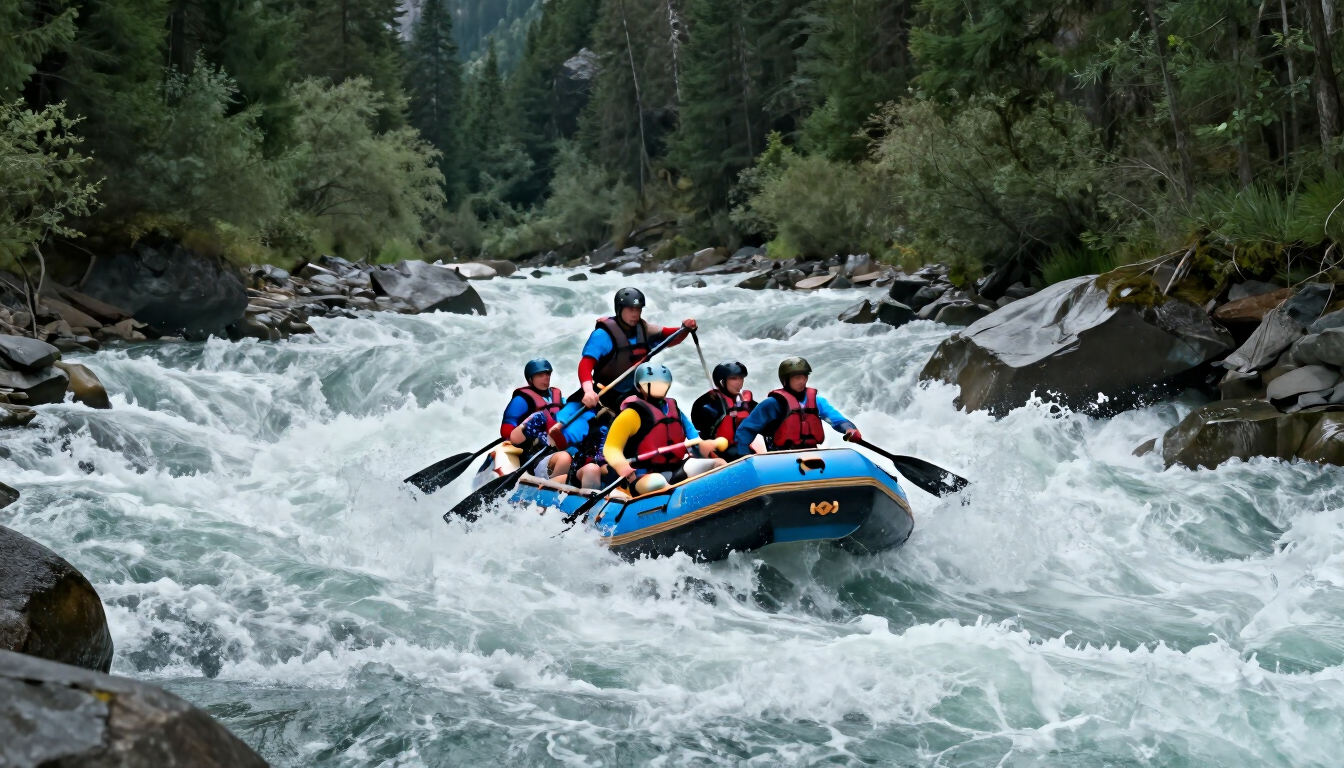
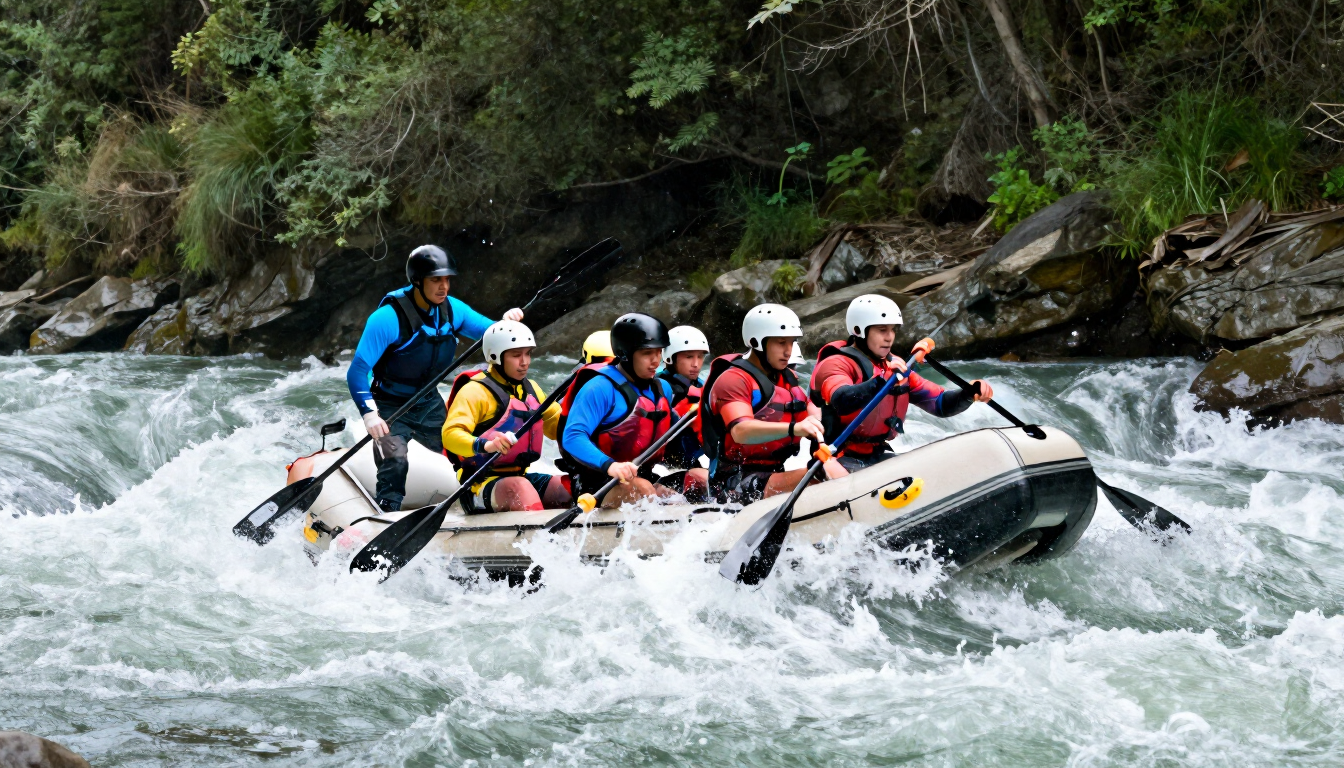
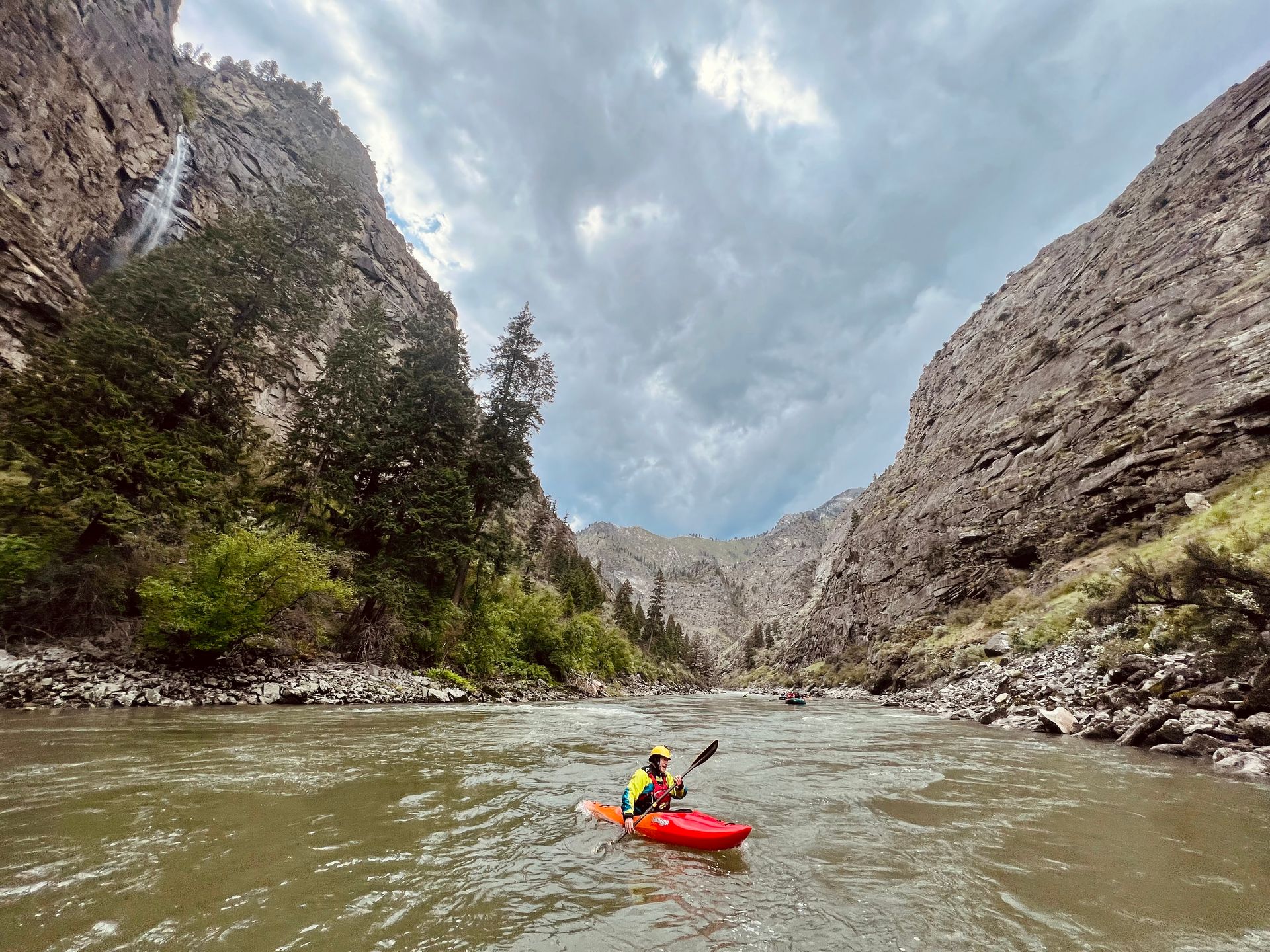
You'll climb in and out of the boat on rocky, uneven banks, and you'll sleep in a tent every night with no road access once you launch. The Middle Fork is also a whitewater river. Between the fishing water there are rapids, and your guide decides how the boat runs them.
If you have questions about whether the trip suits you physically, talk with us about what the days involve and with your doctor about your health.
Gear and Licenses
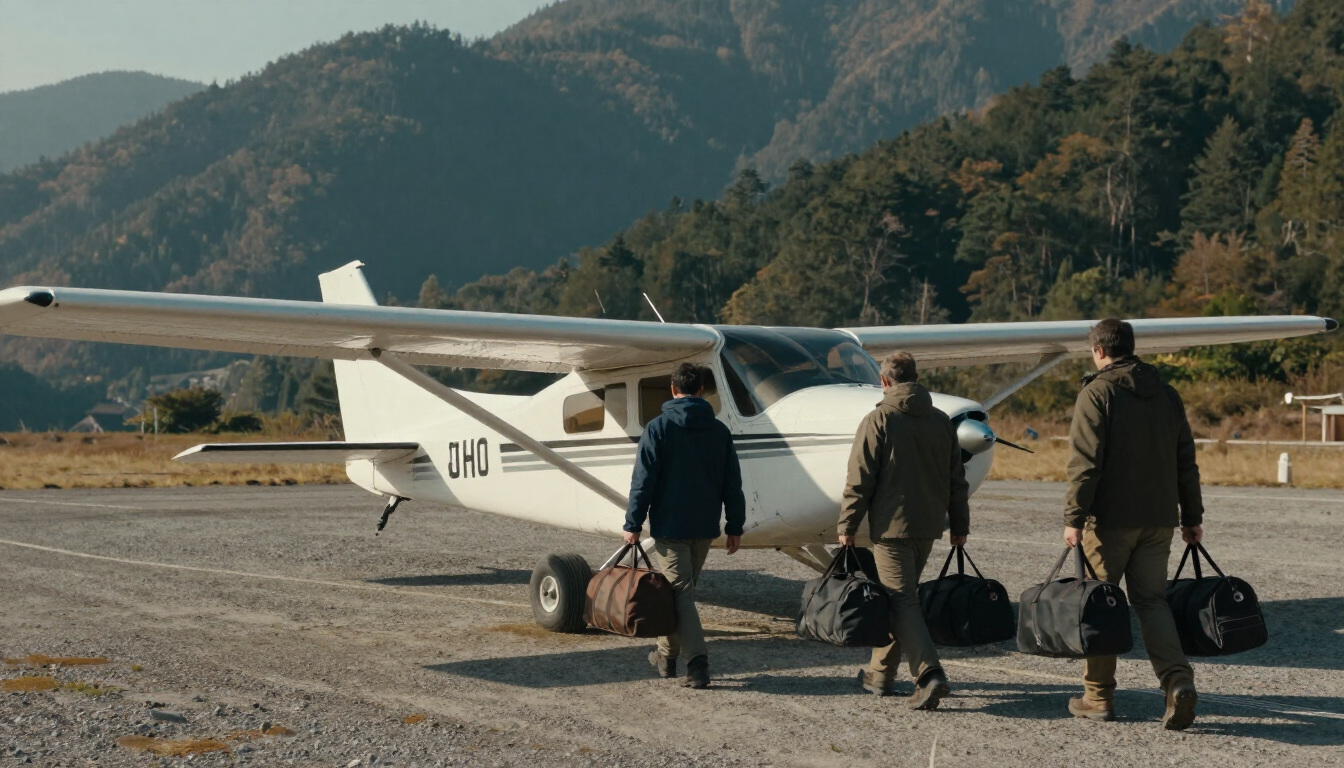
Ask us about fishing gear before your trip, and we'll tell you what to pack and what the guides bring. If you want to pick up flies on the drive, there are fly shops in Pocatello (Snake River Fly), Challis (The Bent Rod Outdoors), and Salmon (Salmon River Fly Box).
For licenses and current fishing rules, check with Idaho Fish and Game before you go. Rules change, and they're the source to trust.
Pick Your Water for Next Summer
The fishing is at its best from July through August, when the water drops and clears. The August fishing trips are small and fill early. See our dates and rates to compare trips, and call (208) 221-7935 or email mfwo@idahorapids.com with any fishing questions.