Taking Your Team Down the Middle Fork: Planning a Company Retreat on the River
Most company offsites happen within arm's reach of a laptop. Somebody is always stepping out for a call, and the hotel Wi-Fi decides how productive the afternoon is. A company retreat rafting trip on the Middle Fork of the Salmon takes all of that off the table. The reason isn't a rule against phones. It's that there's no signal where you're going.
If you're the person deciding whether a multi-day river trip makes sense for your team, here's what a charter involves, why it works, and what it honestly asks of the people you'd be bringing.
What a charter actually means
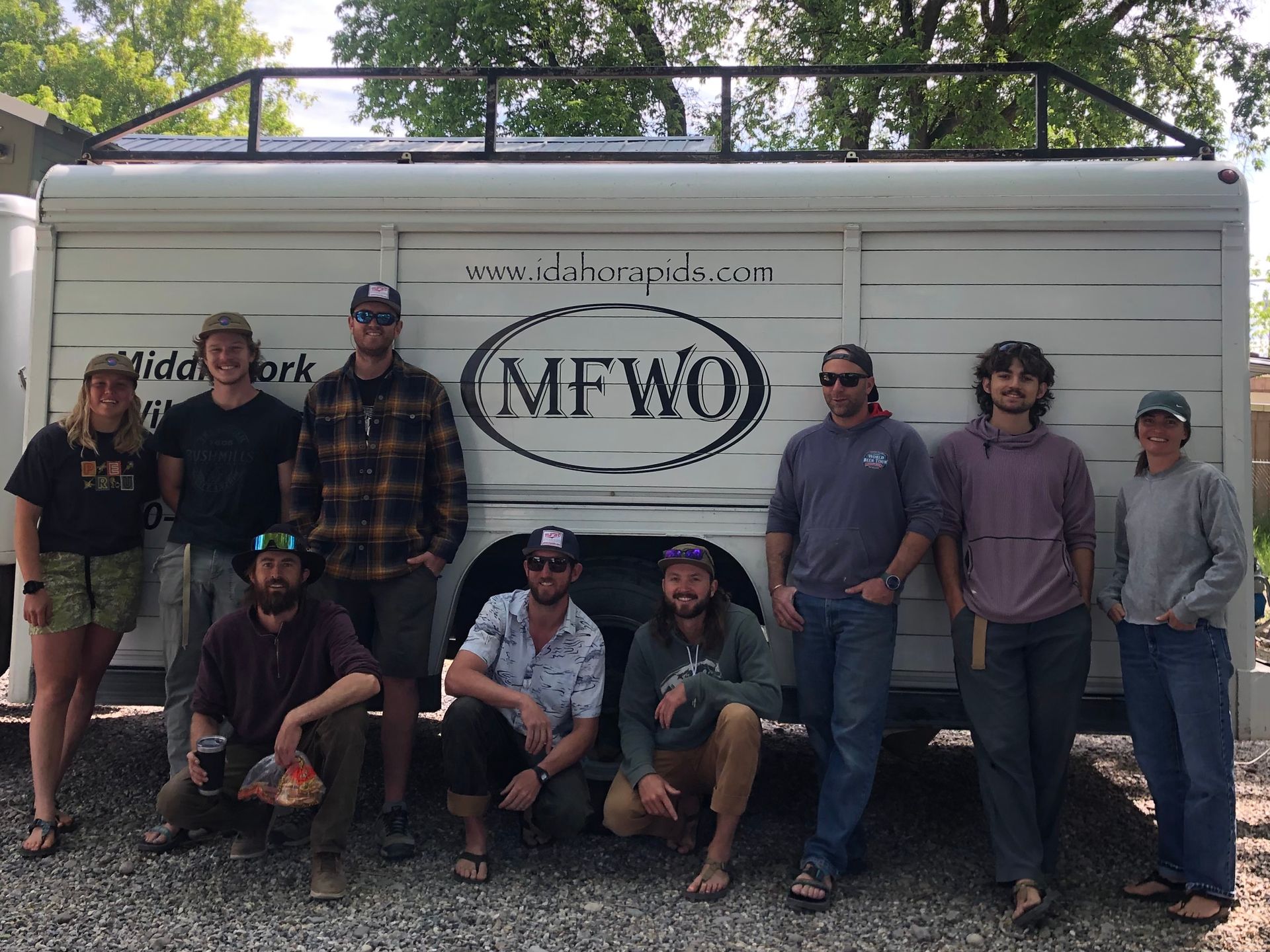
When a company charters a trip with us, you aren't adding seats to someone else's departure. You take the whole trip. The guides, the boats, the camps, and the days on the river are all built around your group, with no strangers in the mix.
We run eleven trips a season on the Middle Fork, and they fill. A charter is a whole departure, so the date decision comes before everything else. Once you have rough numbers and a preferred window, call us before you start building a budget or a guest list. Group size depends on the trip, and we'd rather give you the real figure for your dates than a general one.
The details of how charters work are on our custom and charter trips page.
Why the river works for a team
We won't promise a river trip will fix a team. What we can describe is what the days are actually like. Teams tend to take a lot from that.
- There's no cell service. Nobody is half-present. The conversation at lunch is the only one happening.
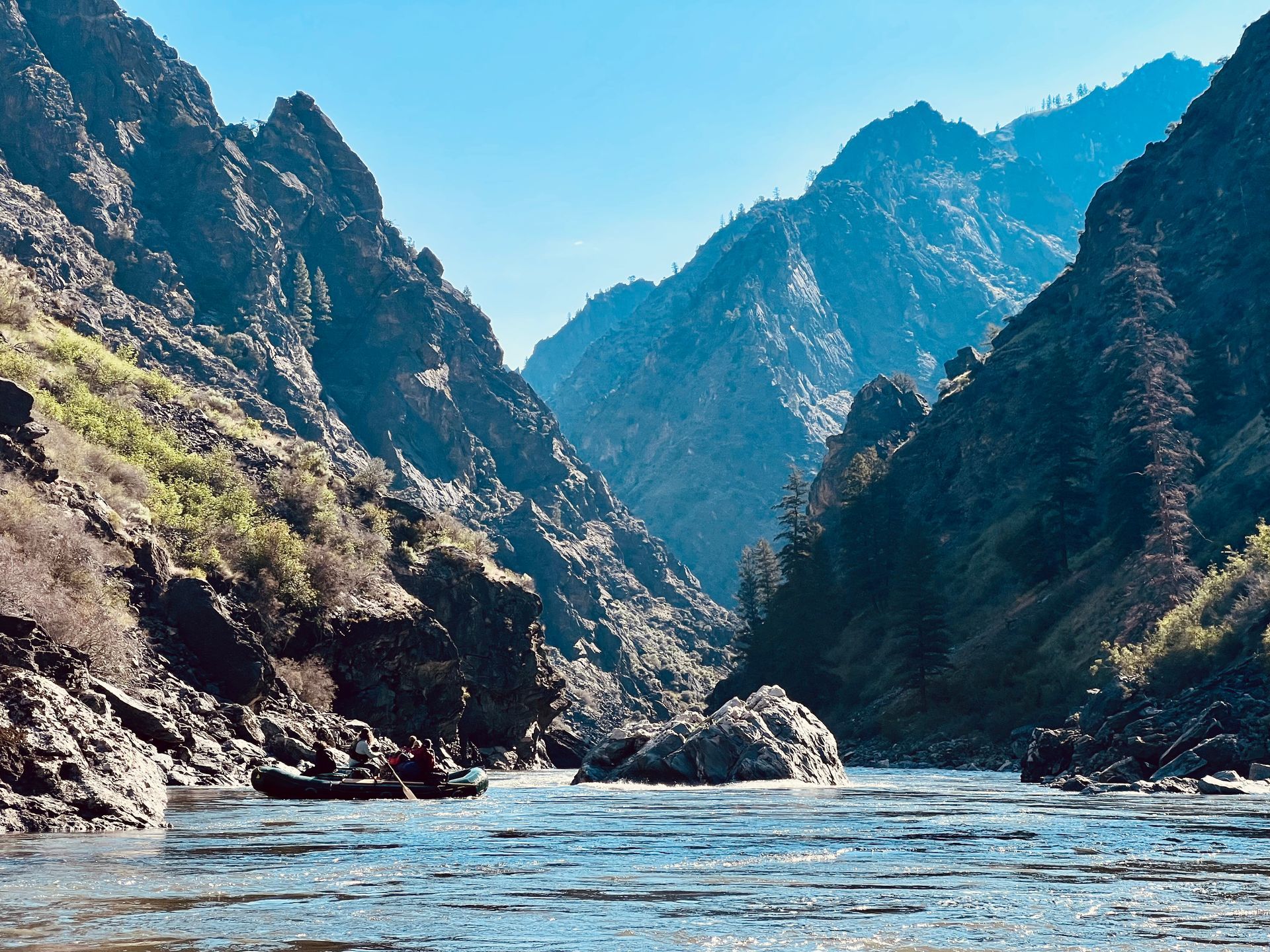
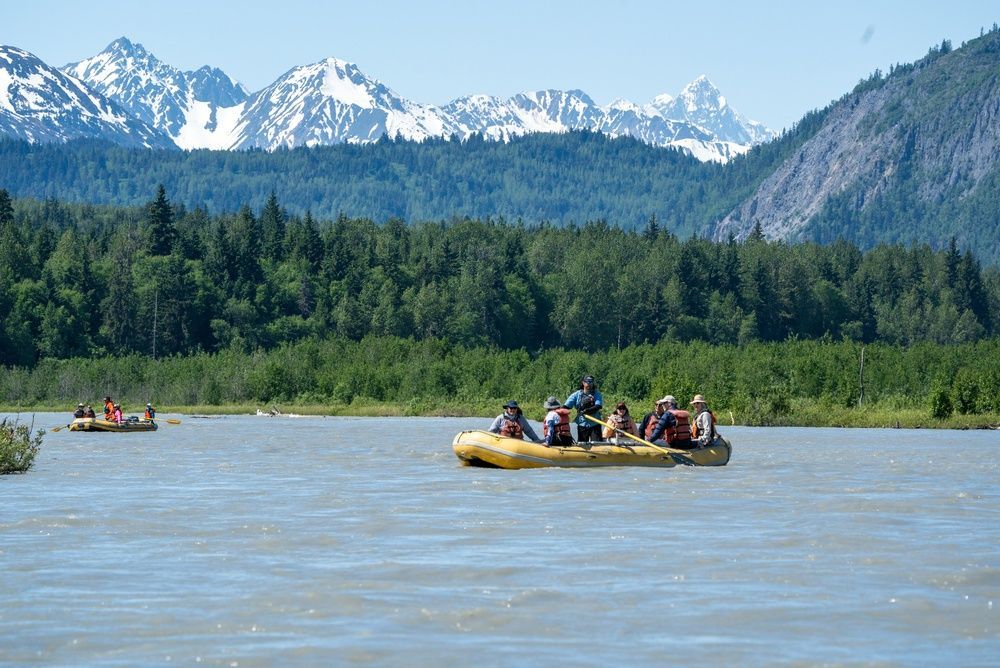
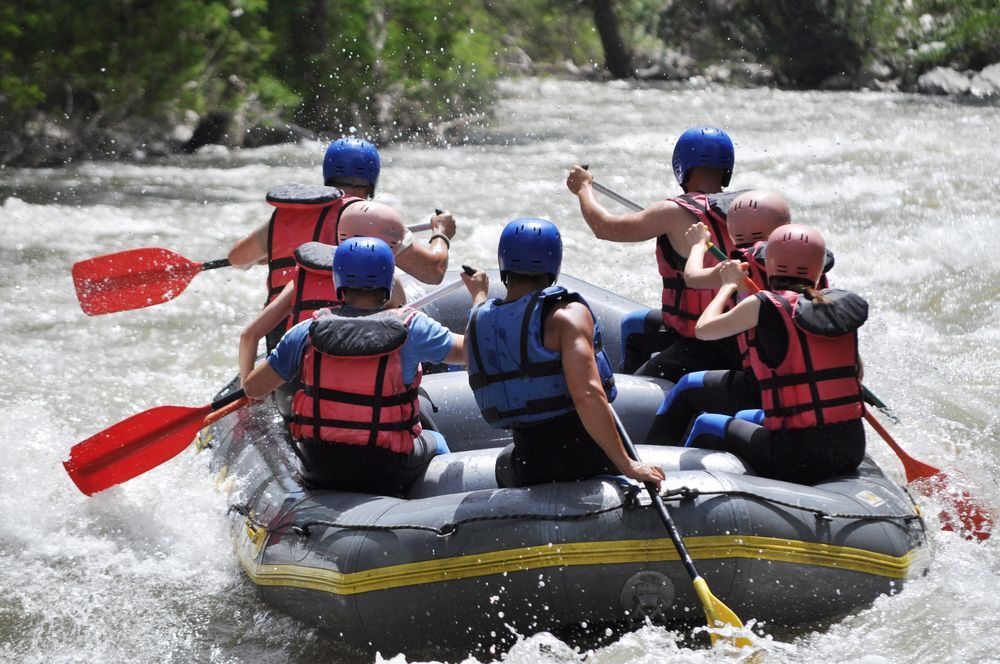
- The work is shared and real. In a paddle raft, six or so people learn to pull together under a guide's calls, and it shows quickly whether they're listening to each other. Not everyone has to paddle, though.
- Nobody on your team is the event planner. Once you launch, the guides handle camp, meals, boats, and the schedule. The person who organized everything gets to be on the trip too.
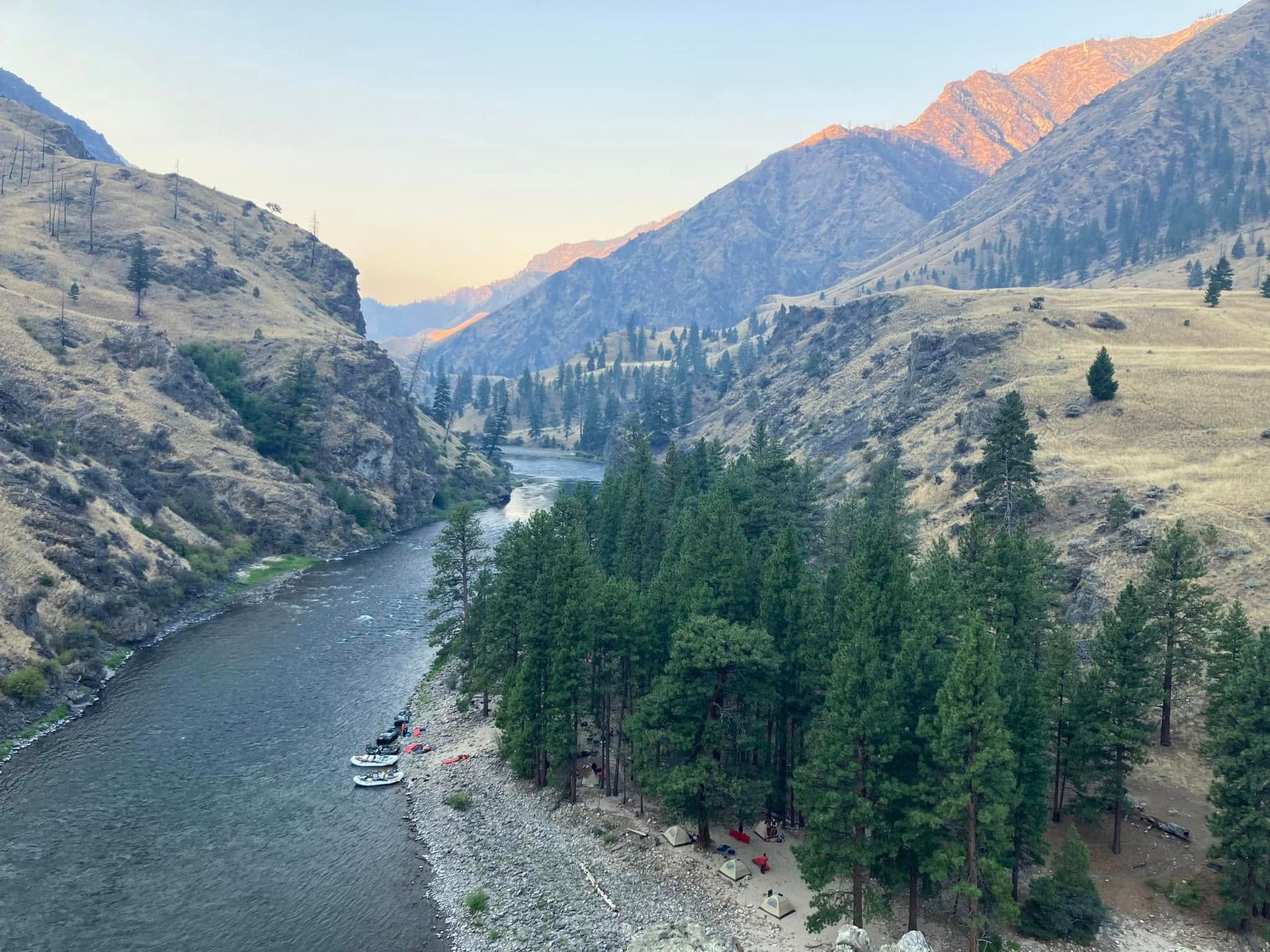
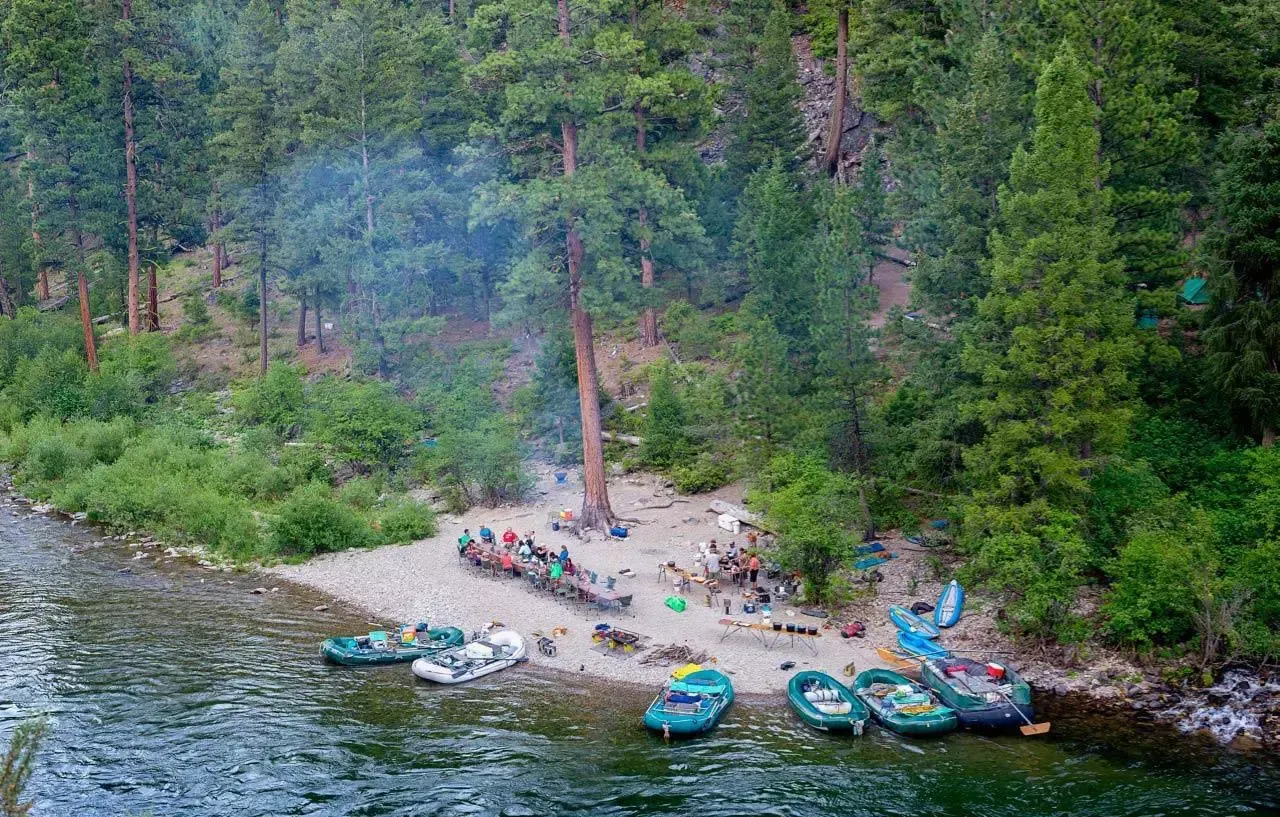
- The evenings are long and slow. Camp is usually set by late afternoon. After that, there's dinner, games on the beach, campfire stories, and time to talk without an agenda.
Every one of our guides is trained in CPR and First Aid and holds a Swift Water Rescue certification. Safety on the river is something we practice every day, and it comes first.
Shaping the trip around your team
A charter gives you room to build the trip around who's coming. A few directions groups have taken:
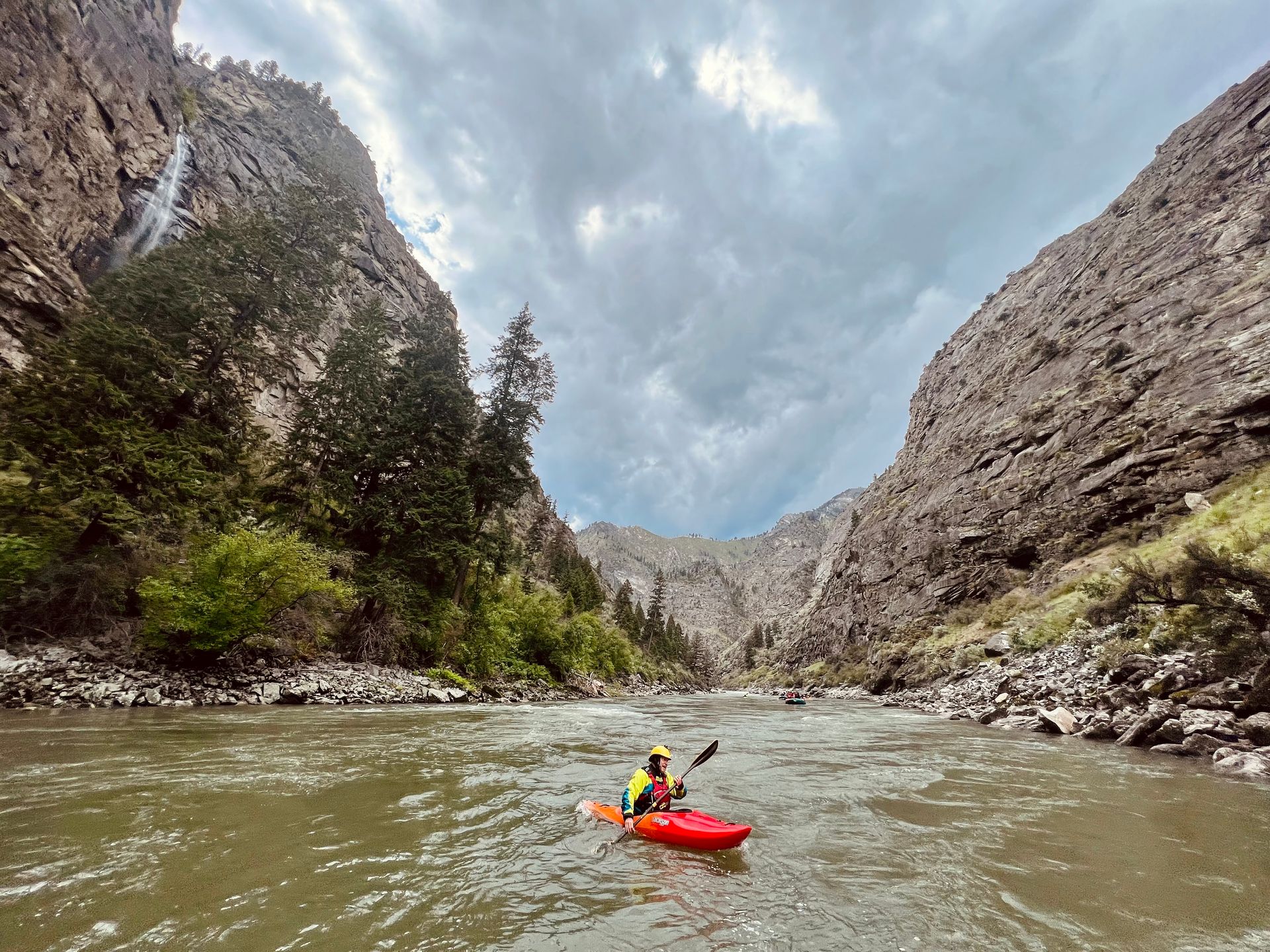
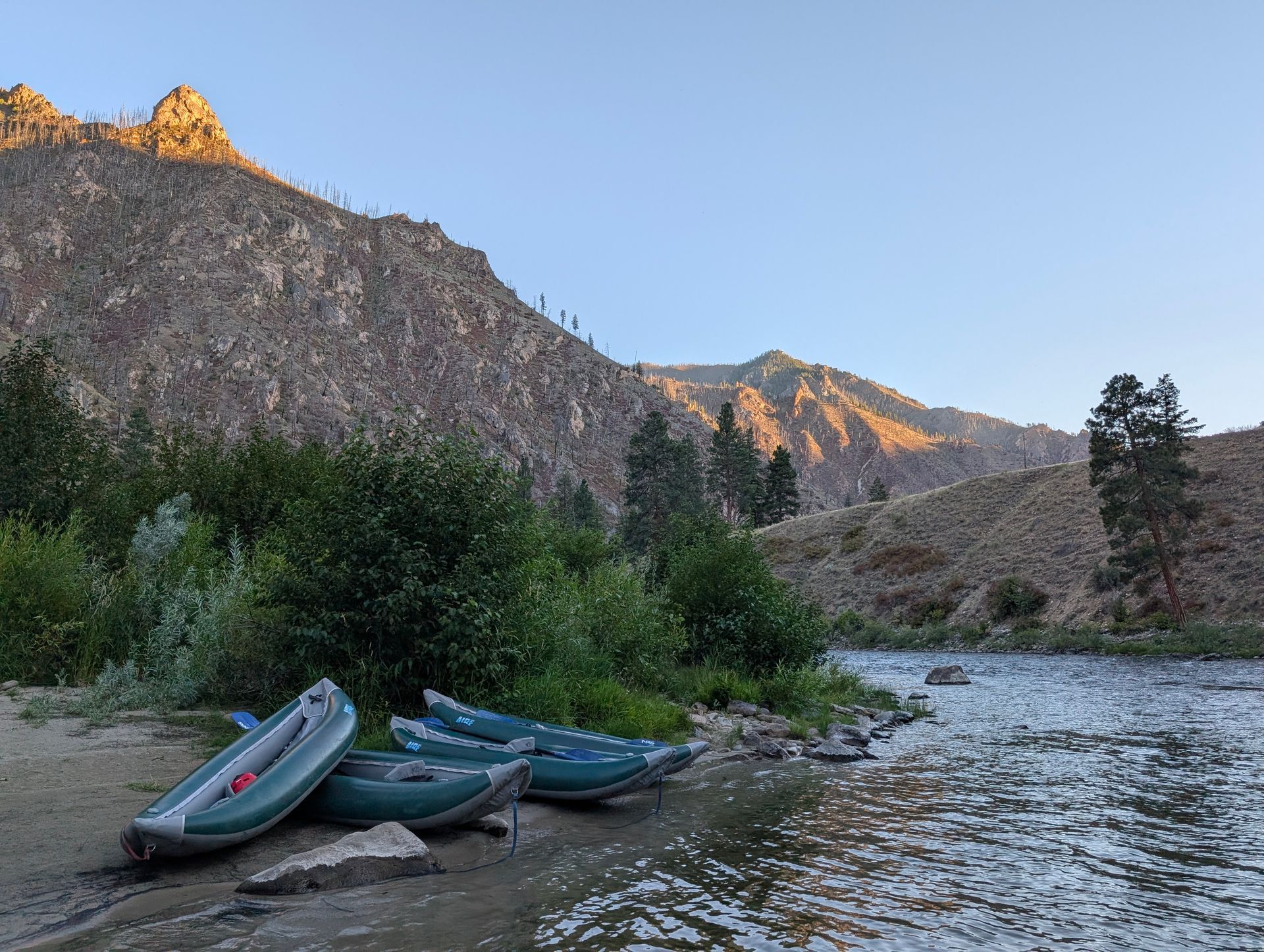
- Mixed boat choices. Some people ride oar boats and watch the canyon go by. Some paddle. Some take an inflatable kayak when river conditions allow. People can switch from day to day. Our post on oar raft, paddle raft, or inflatable kayak covers the differences.
- A wellness format. Yoga, meditation, attention to nutrition, and an alcohol-free trip, if that fits your team better.
- Music on the river. If your team has musicians, bring the instruments. Some of our guides play too.
- Art and photography. A guided creative workshop built into the days.
- Fishing for the anglers. A fishing boat can be part of the trip for anyone who'd rather spend the day casting.
Our packing list even includes a costume for the final night's celebration. Take that as a hint about how the last evening usually goes.
What this trip asks of your team
This is the section that should shape your guest list. A multi-day wilderness river trip is a real physical commitment, and it isn't for everyone.
- Several days in boats, getting wet, in water that's cold
- Weather that can change from warm to chilly within hours, rain included
- Uneven footing on riverbanks, and climbing in and out of boats
- Sleeping in a tent on a cot each night, with no hotel room to retreat to
- No cell service and no road access along most of the river once you launch
Make the trip something people opt into, not something assigned. A colleague who dreads camping will have a very different week from one who's been waiting for it. Anyone with a health concern should talk to their own doctor and to us before committing. Also plan for someone back home to run the business while leadership is out of reach for most of a week.
Who handles what
Here's how the work splits between your organizer and our crew.
| Your organizer handles | Our crew handles |
|---|---|
| Choosing dates and confirming the guest list | Guides, boats, and all river equipment |
| Getting everyone to Salmon, Idaho | Tents, cots, sleeping pads, and freshly laundered sleeping bags |
| Lodging in Salmon the night before | Every meal on the river, plus drinking water |
| Getting everyone to the evening orientation | Waterproof gear bags, life jackets, and setting up camp each night |
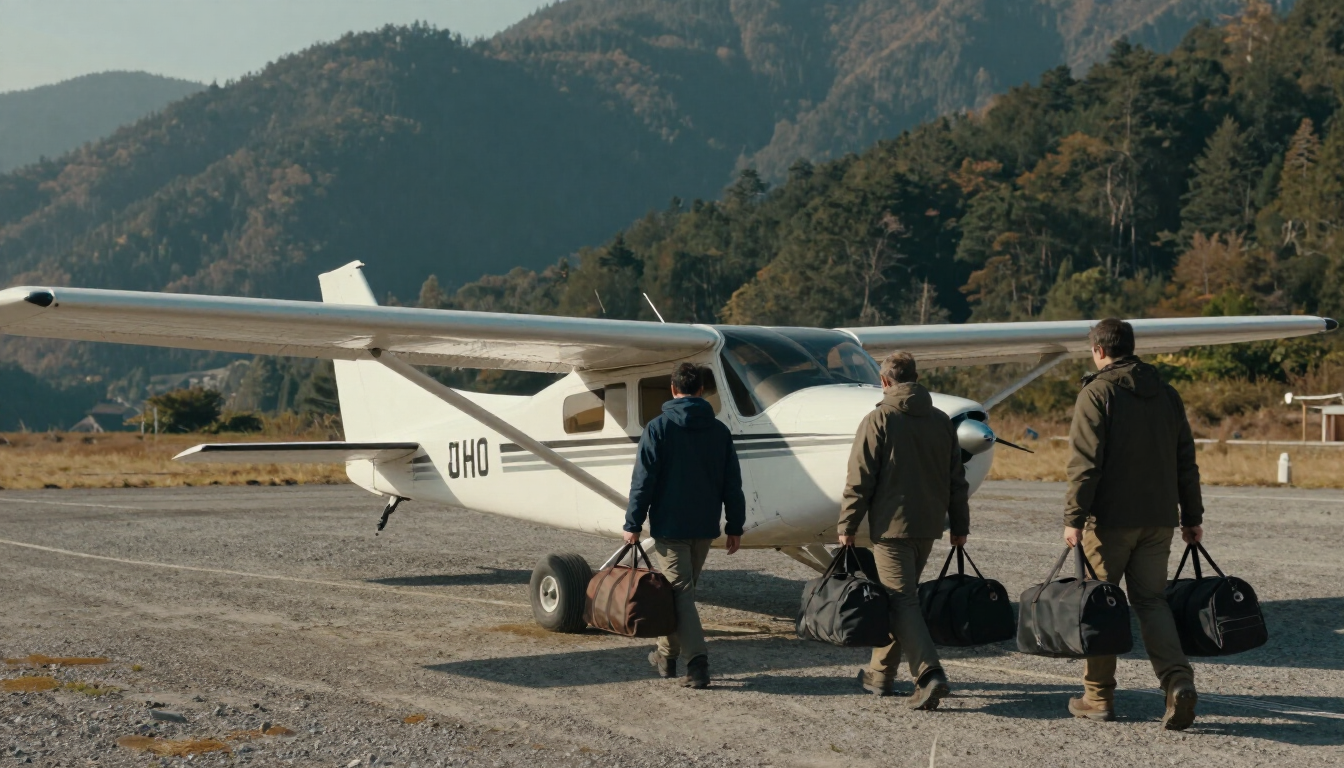
| Passing along dietary needs and questions ahead of time | The daily schedule, the river, and the backcountry flight to launch |
Most guests fly into Missoula, Idaho Falls, or Boise. For larger groups coming from Missoula, a charter van service can bring everyone in together. The options are on our getting your group to Salmon page. To see what meals and camp actually look like, read what's included on every trip.
When to start planning
If you're budgeting for next year's offsite now, you're on the right timeline. The Middle Fork has a short season, and full departures are the first thing to go. Pick two or three windows that could work, get a rough headcount, and call us. For more on why a private trip suits groups, see why charter trips work for groups.
Start the conversation
Our 2027 dates are posted. Look at the calendar, then call us at (208) 221-7935 or email mfwo@idahorapids.com to talk through a charter for your team.